Last updated November 22, 2026
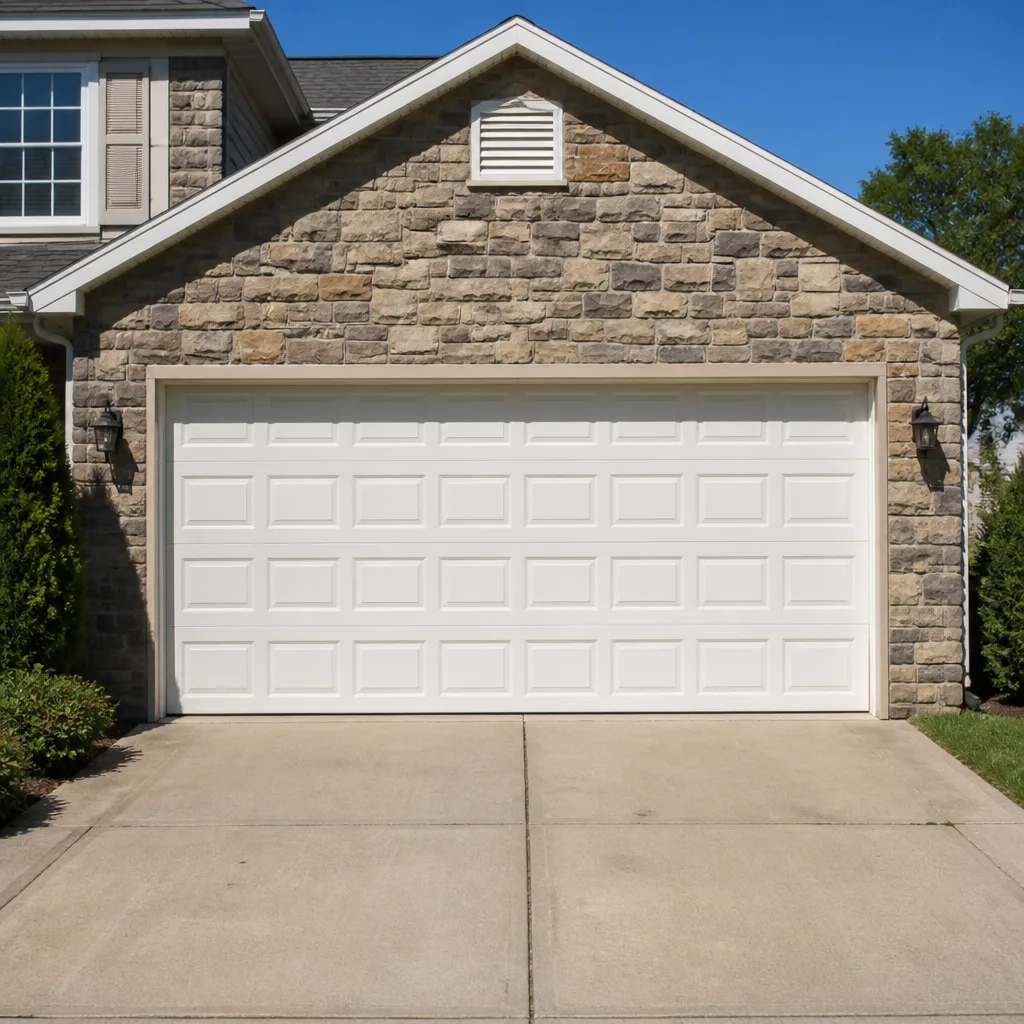 Raised-panel steel
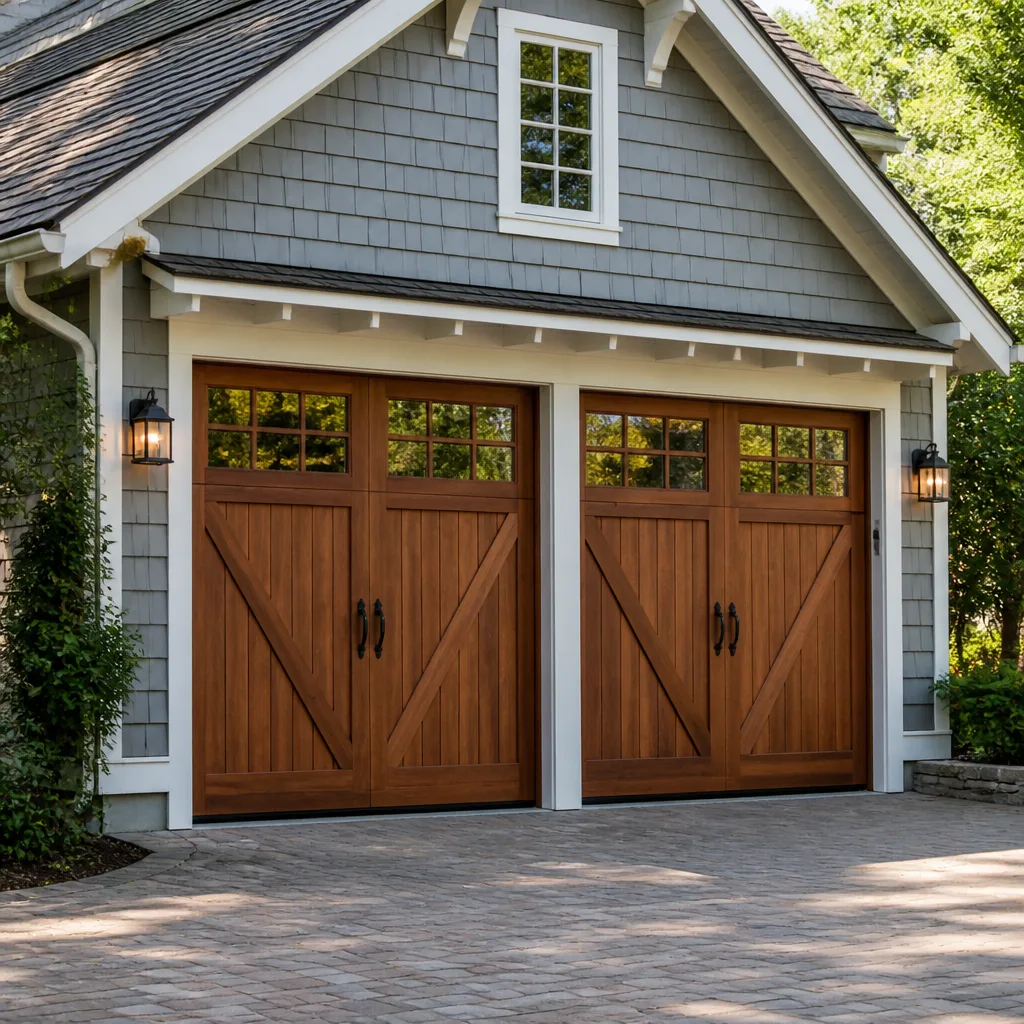 Carriage house
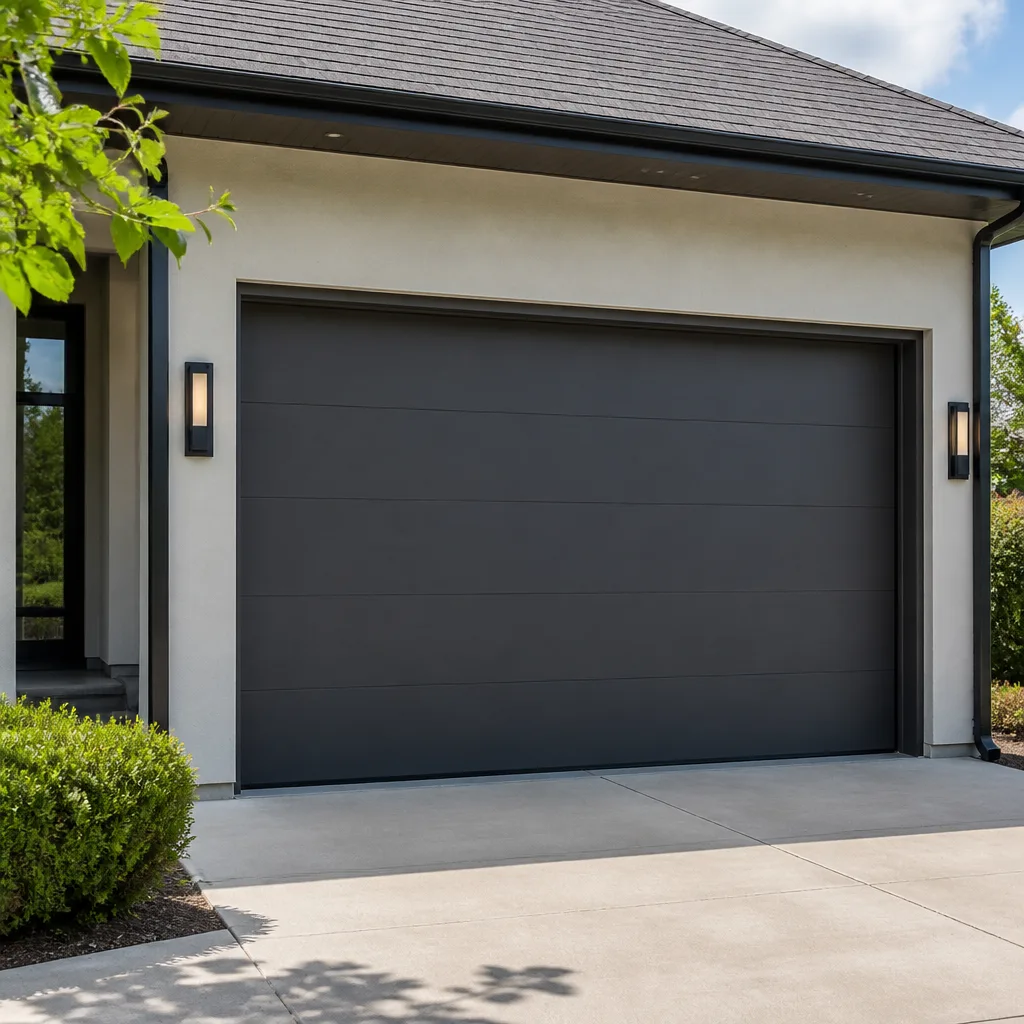 Modern flush
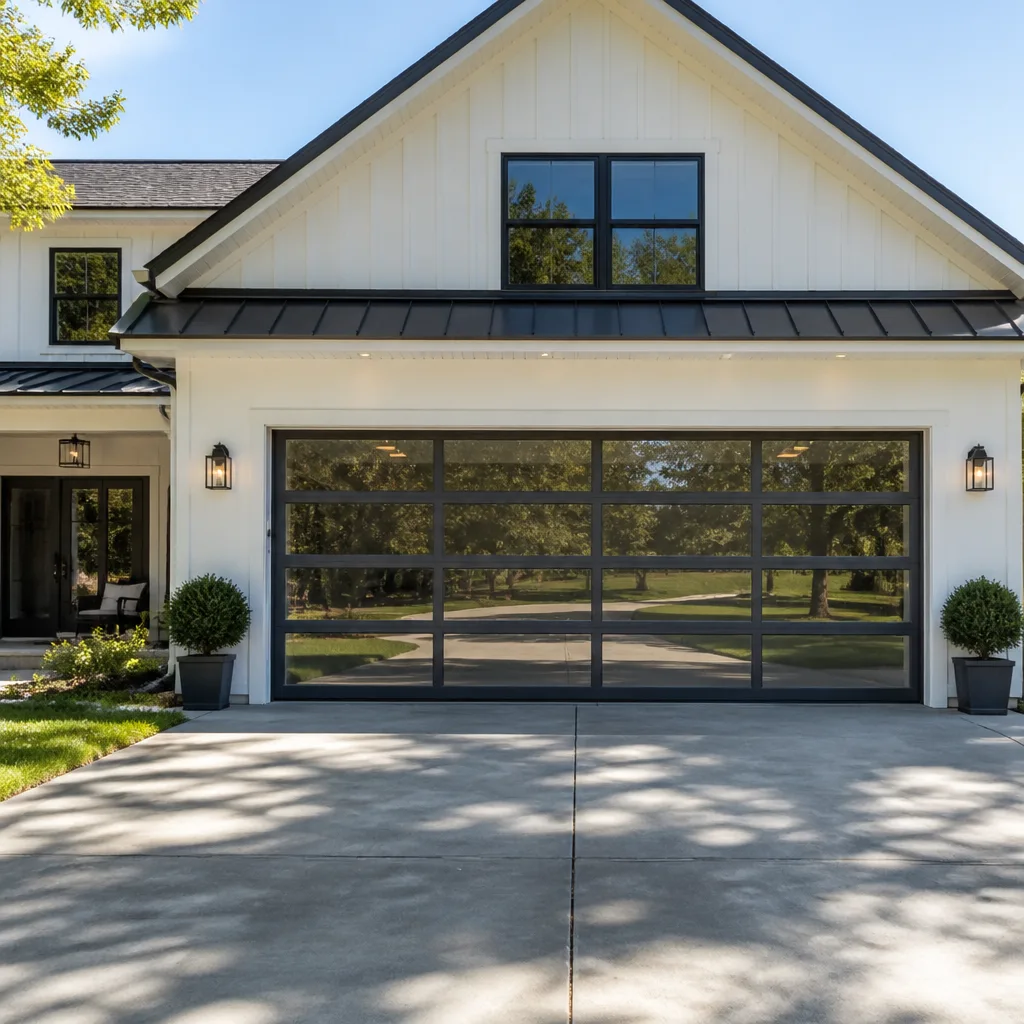 Full-view glass
 LiftMaster openers
 Chamberlain openers
Full 25-point door and opener safety check with every visit - springs, cables, rollers, tracks, and your LiftMaster or Chamberlain opener included
You get a price before we start. It does not change when the pro arrives.
Get your free estimateGarage Door Warning Signs: A Pembroke Pines Homeowner’s Reference Guide
A garage door that’s “just a little slow” and a garage door that’s about to drop a 400-pound panel on your car look almost identical from the outside. The difference is rarely loud. It’s in two specific behaviors most homeowners have never been told to watch for: how the door moves in its first six inches, and how the motor sounds when it has to work. Read those two clues correctly and you’ll know whether to grab a lubricant or pick up the phone. This guide walks through every warning sign a Pembroke Pines garage door gives you, what each one means mechanically, and which ones are safe to monitor yourself versus which need a trained technician the same day.
Styles & brands we work with
- Raised-panel steel
- Carriage house
- Modern flush
- Full-view glass
- LiftMaster openers
- Chamberlain openers
Quick Answer
The garage door warning signs that demand same-day professional attention are: a door that reverses before it fully closes, a snapping or booming sound from the torsion bar above the door, a door that hangs crooked or binds on one side, a panel that’s visibly bent or separated, and a door that won’t stay up on its own. Slow, squeaky, or slightly noisy operation is often a maintenance issue you can watch. Any sign of spring, cable, or balance failure is not.
Table of Contents
- The Two Clues Most Homeowners Never Check
- Slow Door vs. Uneven Door: Two Very Different Problems
- Spring Warning Signs and the Sounds That Precede Failure
- How to Read Your Opener’s Sounds
- Rust, Corrosion, and What Hardware Wear Actually Tells You
- South Florida Warning Signs: Humidity, UV, and Wind Cycles
- What You Can Safely Monitor Yourself
- When to Call a Professional
- Common Mistakes to Avoid
- Frequently Asked Questions
- The Bottom Line
The Two Clues Most Homeowners Never Check
A garage door either comes down smoothly because it’s balanced, or it fights its way down because something is wrong. The problem is that you only see the fight if you know where to look. Here’s what to actually watch for, and it takes about ten seconds.
The first clue is the first six inches of travel. Stand inside the garage and press the wall button to close the door. Watch how the bottom edge moves as it starts down. If it lifts and settles in one fluid motion, the door is balanced. If it hesitates, stutters, or drops unevenly on one side, weight is no longer being distributed evenly between the springs and the cables. That’s a balance problem, and it doesn’t fix itself.
The second clue is what happens on the way back up. A properly balanced door should climb at a steady speed with no sudden jerks. If the door surges through the middle of its travel, the opener motor is doing work the springs should be doing. Over time that extra load burns out the motor, wears the gear assembly, and stresses the door panels. We’ve seen this exact pattern on Genie and Chamberlain openers all over Pembroke Pines, and it almost always traces back to a spring that’s lost its tension rather than the opener itself.
You don’t need tools, a ladder, or any real understanding of the mechanism to check these two behaviors. You just need to stand inside the garage and watch for ten seconds. If both clues look clean, your door is likely in good shape. If either one fails, read on. The sections below explain which failures are safe to ride out with monitoring and which need a same-day call.
Slow Door vs. Uneven Door: Two Very Different Problems
A slow door and an uneven door are not the same symptom, even though they look similar from the driver’s seat of your car. One is cosmetic and often free to fix. The other is structural, and treating it as cosmetic can bend the door or fracture a cable.
A slow door is usually a track or roller issue. Dirt, dust, and debris collect in the tracks over time, and rollers develop flat spots. The motor is fine; it’s just pushing against friction. This is genuinely monitorable. Clean the tracks with a rag and a non-petroleum lubricant, and note whether the speed improves. If it does, the door is not in immediate danger. Keep an eye on it and plan a maintenance visit within a few weeks.
An uneven door signals a balance problem, usually in the cables or springs. Watch the gap between the bottom of the door and the floor as it closes. If one side reaches the ground first, or if the panel edges look crooked relative to the vertical tracks, weight is shifting to one side. Two things cause this: a cable that has stretched or slipped off its drum, or a broken or weakened spring on one side of a two-spring setup. Left alone, the door will eventually jam, and if a cable snaps under load the door drops suddenly. A trained professional should inspect this the same day.
The distinction matters because homeowners in Pembroke Pines often call about a slow door when the underlying issue is a failing spring, and others ignore an uneven door assuming it’s just age. Our experience is that the ten-second visual check above catches both. If you’re not certain which you’re seeing, err on the side of a call rather than a wait. A slow door that just needs track cleaning and an uneven door that needs a cable repair look nearly identical to the untrained eye, and the cost of getting it wrong is measured in bent panels and crushed equipment.
Spring Warning Signs and the Sounds That Precede Failure
Torsion springs are the highest-tension components on the entire door, and they fail without much notice. At the point of failure they release stored energy equal to several times the door’s weight. This is the single most important section of this guide, and the one we want every Pembroke Pines homeowner to read carefully.
Springs warn you in four ways:
- A loud bang that sounds like a gunshot or a car backfiring. This is usually the sound of a torsion spring snapping. It happens in an instant, and the door becomes nearly impossible to lift afterward. Do not try to force it.
- A visible gap in the spring coil. Look at the coils wrapped around the torsion bar above the door. If you see a gap of a quarter inch or more, the spring is broken or on its way.
- The door won’t stay up when you lift it manually. A balanced door should hold position on its own. If it falls back down once you let go, the springs are no longer carrying their share of the weight.
- Rust or discoloration on the spring coils. South Florida humidity accelerates oxidation, and a corroded spring is a weakened spring.
The sound cue alone is worth memorizing. Homeowners in Pembroke Pines describe it as a bang that echoes through the house, and if you hear it in the morning as you’re leaving, the door is now inoperable and depends entirely on the opener to lift. That’s not safe. The opener is designed to assist a balanced door, not lift a dead weight by itself. If you try it, you’ll likely burn out the motor and stress the door panels.
Spring repair is not a DIY job. The tension on a torsion spring can cause serious injury or worse if the wrong tool slips, and the adjustment procedure requires a specific winding-bar technique. We treat spring repair as a standalone specialty because it’s the most safety-critical service a garage door company performs. If you suspect a spring failure, stop operating the door and call for professional help. Do not cut, loosen, or unwind anything yourself.
Two more timing notes for Pembroke Pines. First, springs in this climate tend to last a little less than the general literature suggests because of humidity-driven corrosion, so an annual look at the coils is worth the minute. Second, when one spring fails on a two-spring door, the second spring is under the same strain and typically fails within a short window. Replacing them as a matched pair is standard practice, and it costs about twice a single-spring repair. You’ll save the labor of a second visit and avoid a repeat outage.
How to Read Your Opener’s Sounds
Your opener has a distinct vocabulary, and the sounds it makes can tell you whether the problem is the motor or the door itself. Most homeowners never listen; they just hit the button and walk away. Start listening.
A steady, even hum is what a healthy opener sounds like. The motor is doing modest work to lift a spring-balanced door. That’s the baseline you’re comparing against.
A labored, grinding, or straining hum usually means the opener is compensating for a broken or weak spring. The motor is pulling much harder than it was designed to. This is often the first sign homeowners notice, and if you call about a “clicking opener,” the underlying issue is often a spring. A garage door opener repair visit starts with a balance check for exactly this reason; replacing the opener without addressing a failing spring just burns out the new motor too.
A rattle or bang that seems to come from the opener head but not the door can point to loose mounting bolts, a worn gear assembly, or a chain or belt that’s out of tension. These are usually serviceable and don’t tend to fail catastrophically, but they’re worth scheduling.
Clicking without movement means the opener’s logic board or travel-limit switch is confused, or the safety sensors are misaligned. On LiftMaster and Chamberlain units, the safety sensors are the first thing to check. If the LED on either sensor is blinking rather than solid, the door won’t close and the opener is not at fault.
The rule of thumb: if the sound is the door struggling, call a spring specialist. If the sound is the opener struggling while the door moves cleanly, call for an opener inspection. A quick way to check without touching anything dangerous is to disengage the opener (most have a pull cord), then try to lift the door by hand. If it’s heavy, the springs are the problem. If it lifts easily, the opener is.
Rust, Corrosion, and What Hardware Wear Actually Tells You
Not all rust means the same thing. On a garage door, you need to distinguish surface oxidation from structural corrosion, because one is a five-minute cleanup and the other is a warning that a hinge or bracket is about to give way.
Surface oxidation looks like fine powdery orange or brown dust on the hinges, the track edges, or the roller brackets. Wipe it with a rag and a light cleaner and see how much comes off. If the metal underneath is smooth and the color comes away easily, you’re looking at cosmetic wear from humidity. Clean it, then apply a light non-petroleum lubricant or a thin coat of protective spray, and check again in a few months.
Structural corrosion looks different. The metal is pitted, flaking, or visibly thinner at the corners of a bracket or the mounting plate of a hinge. It tends to concentrate at the points where screws meet the panel, and around the bottom corners of the lowest panels where moisture collects. When you see structural corrosion, the affected part is close to failure. That’s a scheduled service call, not a cleanup. A cracked hinge bracket can drop a door off track mid-cycle, which is dangerous and expensive.
Pembroke Pines garages see regular humidity, and the metal hardware on a garage door is exposed to moisture swings between the cool garage and the warmer outside air. Hinges, rollers, and the bottom bracket are the most common corrosion points. A quick monthly visual check with a rag and ten minutes of attention saves most homeowners a service call every year or so. If you’re uncertain whether the corrosion you’re seeing is cosmetic or structural, a free estimate visit will tell you clearly.
South Florida Warning Signs: Humidity, UV, and Wind Cycles
Garage doors here age differently than in cooler, drier markets. Three failure patterns show up in Pembroke Pines more than anywhere else in the country, and knowing them lets you catch problems earlier than a general-practice checklist would.
Wood panel swelling. If your door has wood or wood-composite panels, the humidity cycle between wet summer air and the dry interior of the garage drives moisture into the grain. The panels swell, then contract, then swell again. Watch for the panel edges lifting slightly away from the stiles, or for a wavy surface that wasn’t there before. Swelling panels change the door’s weight distribution and can pull the hinges out of alignment. A light seal with an exterior-rated finish slows the cycle and buys months of life.
Bottom seal deterioration. The rubber or vinyl seal at the bottom of the door gets constant UV exposure plus standing moisture from rain runoff that pools in the door channel. The failure mode is cracking, hardening, or the rubber separating from its track. Check the seal by pressing it with your thumb. If it feels brittle instead of pliable, it’s due for replacement. The seal isn’t just a weather feature; it’s also part of how the door resists wind-driven rain, so a worn seal is a real wind-loading concern during storm season.
Bracket fatigue from wind-load stress. Every time a door flexes into the wind during a storm, the hinges and brackets carry load they weren’t designed for in calm weather. The stress shows up as hairline cracks or loosened fasteners at the bracket-to-panel connections, most often on the bottom two panels. Check them visually after any significant storm. If you see cracks in the metal or a bracket that moves under light pressure, that bracket is compromised. Any of these three patterns is worth a professional look, because they tend to compound with each other.
What You Can Safely Monitor Yourself
Not every warning sign needs a call. Here are the issues you can watch and manage on your own without touching anything that carries tension or power.
- Track cleanliness. Wipe the vertical tracks on both sides with a clean rag. If you see grease and debris, clean and re-lubricate with a slicone-based product. Do not use petroleum-based grease.
- Lubrication of hinges and rollers. A light spray every few months keeps the moving parts smooth. Focus on the hinge pivots and the roller stems, not the tracks themselves.
- Weather stripping and bottom seal condition. Check flexibility with your thumb; replace when brittle.
- Safety sensor alignment. If the opener won’t close, check that the two sensors on either side of the door face each other and their LEDs are solid. Clean any debris off the lenses with a rag.
- Door balance by hand. With the opener disengaged, lift the door halfway and let go. A balanced door holds position. If it drifts down, that’s a spring issue, not something to adjust yourself.
For anything that involves opening the opener housing, adjusting the springs, or touching the cables, call a professional. Electrical work, spring tension, and cable tension are the three areas where “watch and see” can turn into “call a doctor.”
Common Mistakes to Avoid
- Ignoring one slow-down and replacing the opener. If the door is slow because the spring is weak, a new opener will burn out just as fast as the old one. Diagnose the door, not just the motor. We see this mistake most in Pembroke Pines because a new opener feels like a bigger fix than a spring repair, but it’s usually the wrong one.
- Trying to adjust a torsion spring yourself. The stored energy in a spring assembly can cause catastrophic injury. Nothing on a garage door is worth that risk. Spring work is a professional service, and it should be done by someone who understands the specific spring system on your door.
- Cutting or loosening a cable to relieve tension. Cables are the other high-tension component. If a cable looks slack, frayed, or off its drum, leave it alone and call. The cable can whip free with significant force when it comes under load.
- Forcing a jammed door. If the door binds, reverses, or won’t close fully, don’t keep pressing the button. Repeated cycling on a jammed door can bend the panels, and a bent panel bends the tracks, which makes the whole repair larger. Contact your local garage door repair team instead.
- Assuming a rust spot can wait a year. In Pembroke Pines humidity, surface corrosion can turn structural in one storm season. Wipe-check it now, not next spring.
- Disconnecting the opener and propping the door open with a ladder or chair. A garage door that’s been disconnected because of a spring failure is a suspended weight held only by a single prop. This is how panels drop onto cars and people. Keep it fully closed or fully propped with a proper door-holding bar, and call for repair.
- Waiting for the second spring to break. If one of the two springs on your door has failed, the other one is likely close behind. Replacing both together is standard, and it’s usually the better decision. A single spring repair that leads to a second emergency service call two months later is a pattern we’d rather spare you.
When to Call a Professional
Call the same day for any of these: a loud bang from the torsion area, a gap in a spring coil, a door that won’t stay up on its own, a door that hangs uneven or binds on one side, a panel that’s bent or separated, a cable that’s frayed or off its drum, or an opener that won’t close and can’t be re-engaged after checking the sensors. None of these improve with time, and several of them become urgent quickly.
You can schedule a routine visit for slower, less critical issues like track cleaning, seal replacement, hinge lubrication, or an opener sound that seems off but the door still moves cleanly. Spring repair is one of the services we consider core to what Pembroke Pines Garage Door Repair Co does, and our technicians have up to 11 years of experience. We work with the major brands you already own – LiftMaster, Chamberlain, Genie, Clopay – so you don’t need to hunt down the original installer. Pembroke Pines Garage Door Repair Co offers free estimates in Pembroke Pines – call (855) 529-2078.
Frequently Asked Questions
Typical repair costs for a single torsion spring in Pembroke Pines fall in the $180 to $340 range, and a matched pair, which is usually what a two-spring door needs, runs about twice that. The written estimate you receive before any work begins is the price you pay. Call (855) 529-2078 for an exact quote, since estimates are free.
Yes. We offer emergency garage door service for doors that won’t close, won’t open, or have failed on a spring. Emergency call-outs are exactly what that service exists for, so call (855) 529-2078 and describe the symptom. A technician can usually give you a same-day window for urgent repairs like a snapped spring or a door stuck open.
No. The price is quoted and agreed before any work starts. If the technician finds the original diagnosis is off – for example, a slow door that looked like a track issue turns out to need a spring replacement – you’ll be told before anything happens. You can approve or decline. Nothing gets added after the fact.
Yes. The local professionals we connect you with are licensed and insured as their state requires, and they work on the door and opener brands listed on this page. You can ask to see credentials on arrival, and there’s no charge for a free estimate.
The clearest signs are a visible gap in the spring coils, a door that won’t stay up on its own, rust or discoloration on the spring coils, and a loud bang that sounds like a gunshot. Any of these means the spring has failed or is about to, and the door should be inspected by a professional. Call (855) 529-2078 for a free estimate rather than operating the door, and read our guide to garage door installation if the door is old enough that replacement is on the table.
Once a year is a safe baseline for a routine inspection in this climate, with a quick visual check of springs, cables, hinges, and seals after any major storm or significant temperature swing. The Pembroke Pines humidity means hardware corrodes a bit faster than in drier markets, so an annual check catches small issues before they become same-day calls. Our technicians have up to 11 years of experience and can give you a clear picture of what your door needs. See our full Pembroke Pines Garage Door Repair Co service for the broader picture of what we handle.
The Bottom Line
Most garage door warning signs fall into two categories: the ones you can clean, lubricate, and watch, and the ones that mean stop and call. The split is usually clear once you know how to read the door. Slow, squeaky movement is often track and roller wear you can maintain. Uneven movement, spring gaps, loud bangs, bent panels, and doors that won’t stay up require a trained professional the same day. Pembroke Pines homeowners deal with a specific set of pressures – humidity, UV, wind cycles – that make it worth checking springs, seals, and brackets a little more often than the generic checklist suggests. If you’ve read this far and something in your own garage is now bugging you, that instinct is worth following.
If you’ve spotted any of the signs in this guide and want a clear answer, call Pembroke Pines Garage Door Repair Co at (855) 529-2078 for a free estimate. We work on the door and opener brands you already own, from spring repair to opener issues to full replacement, and we’ll quote the job before anything starts.
Written by the team at Pembroke Pines Garage Door Repair Co.
See the difference
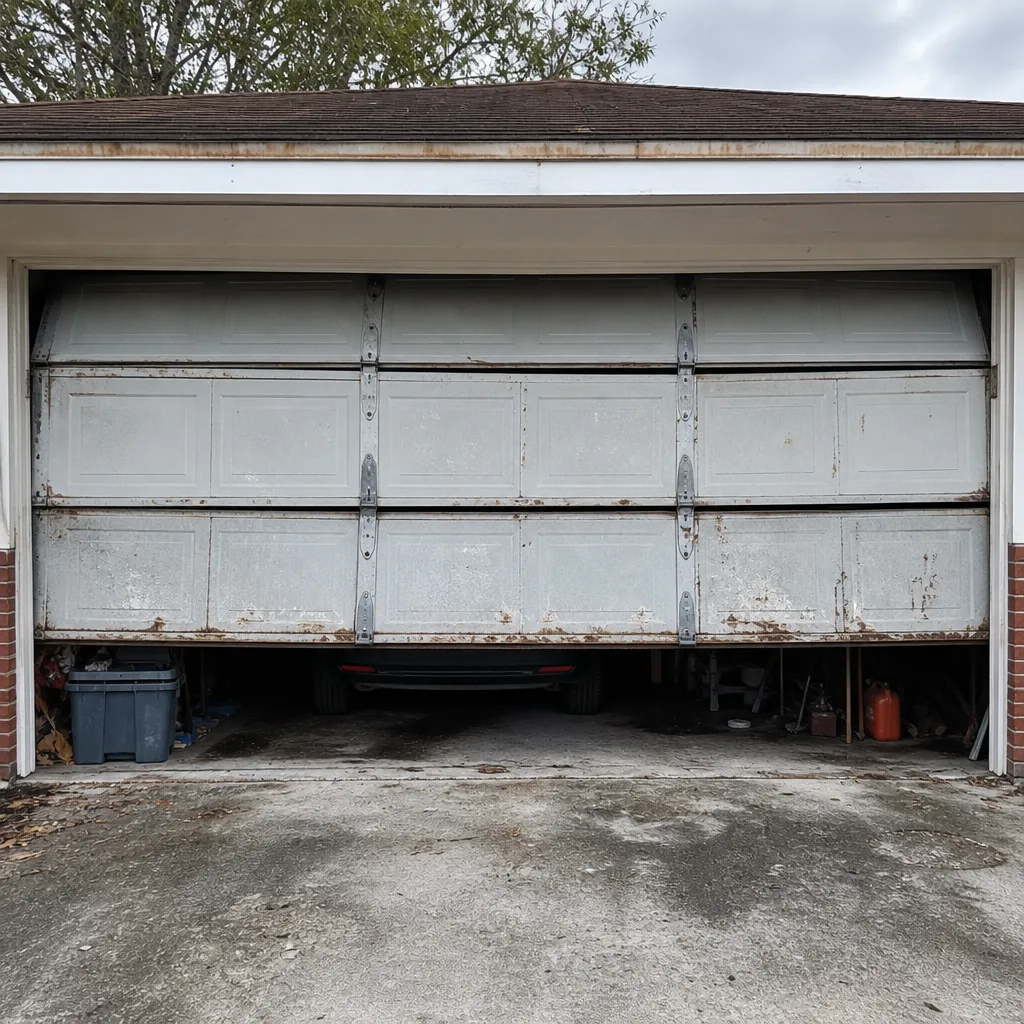 Before
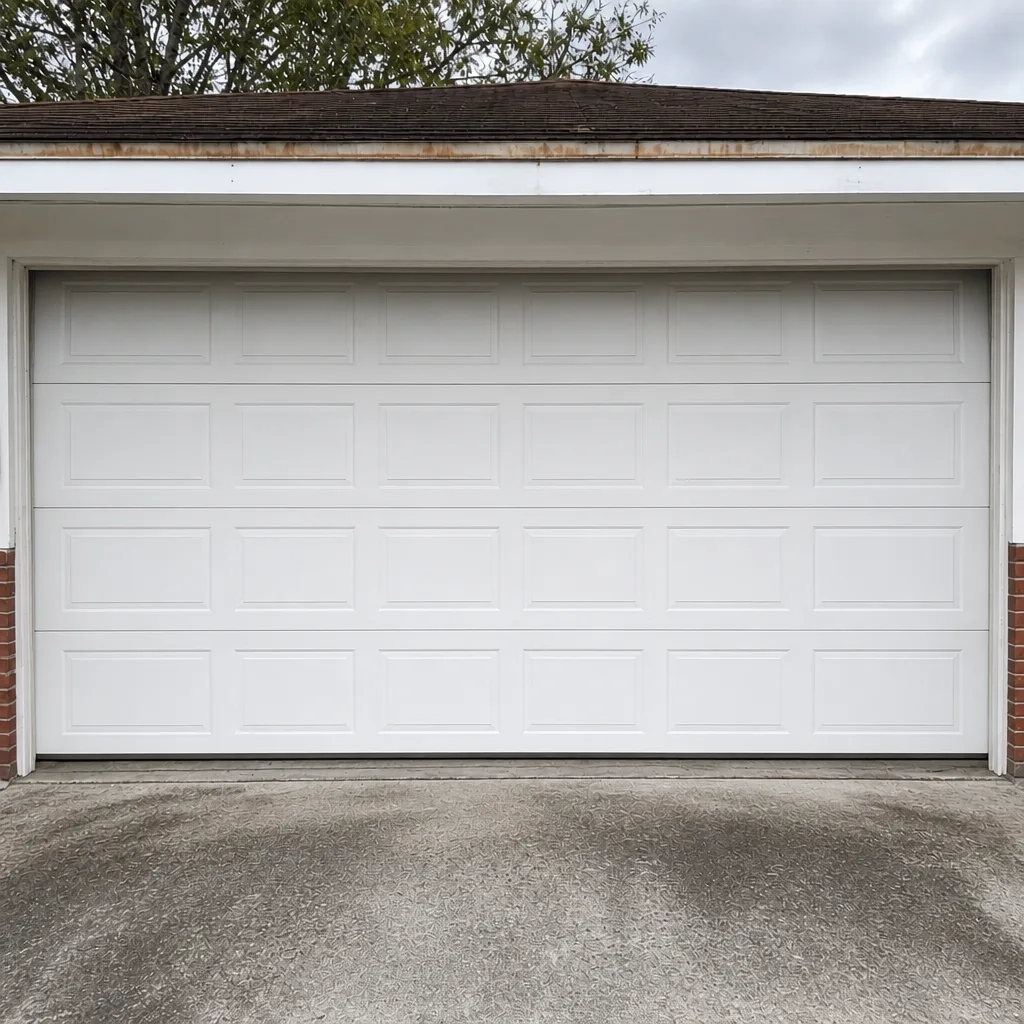 After
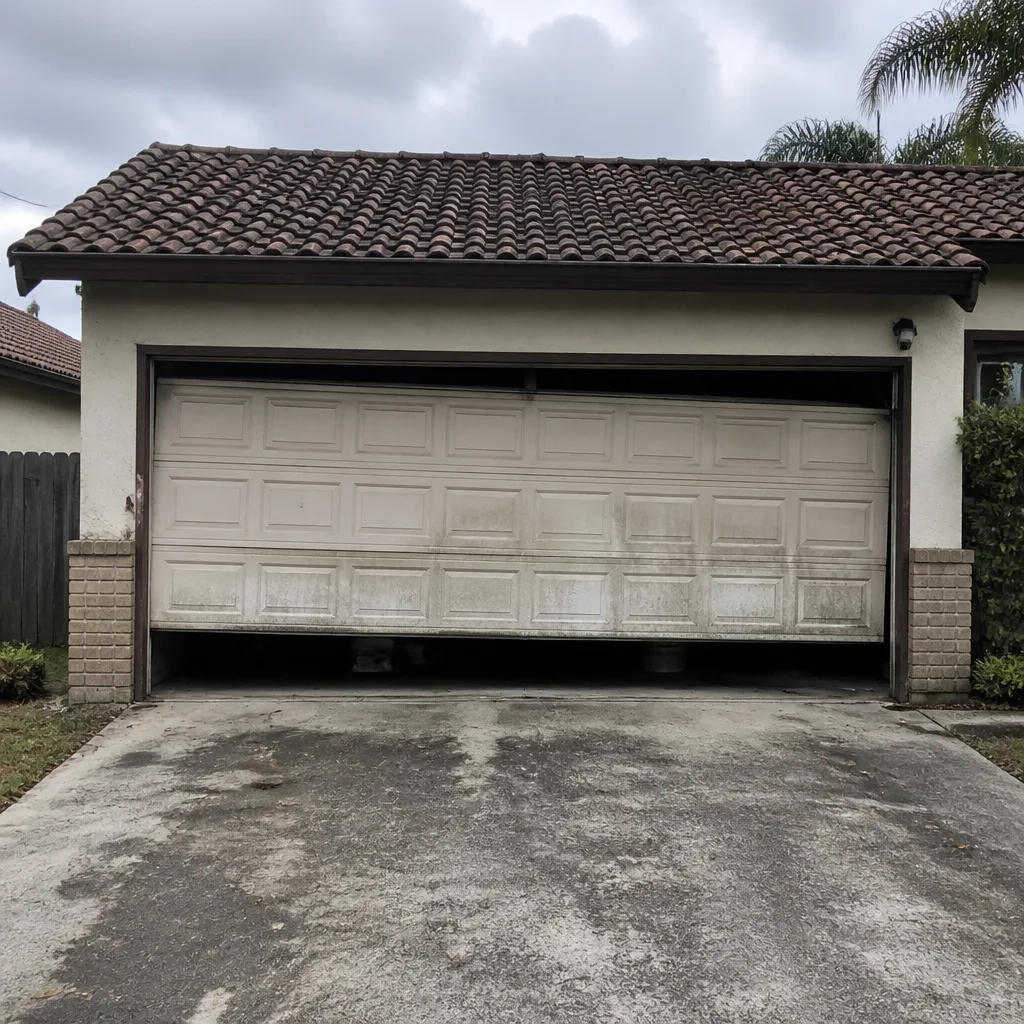 Before
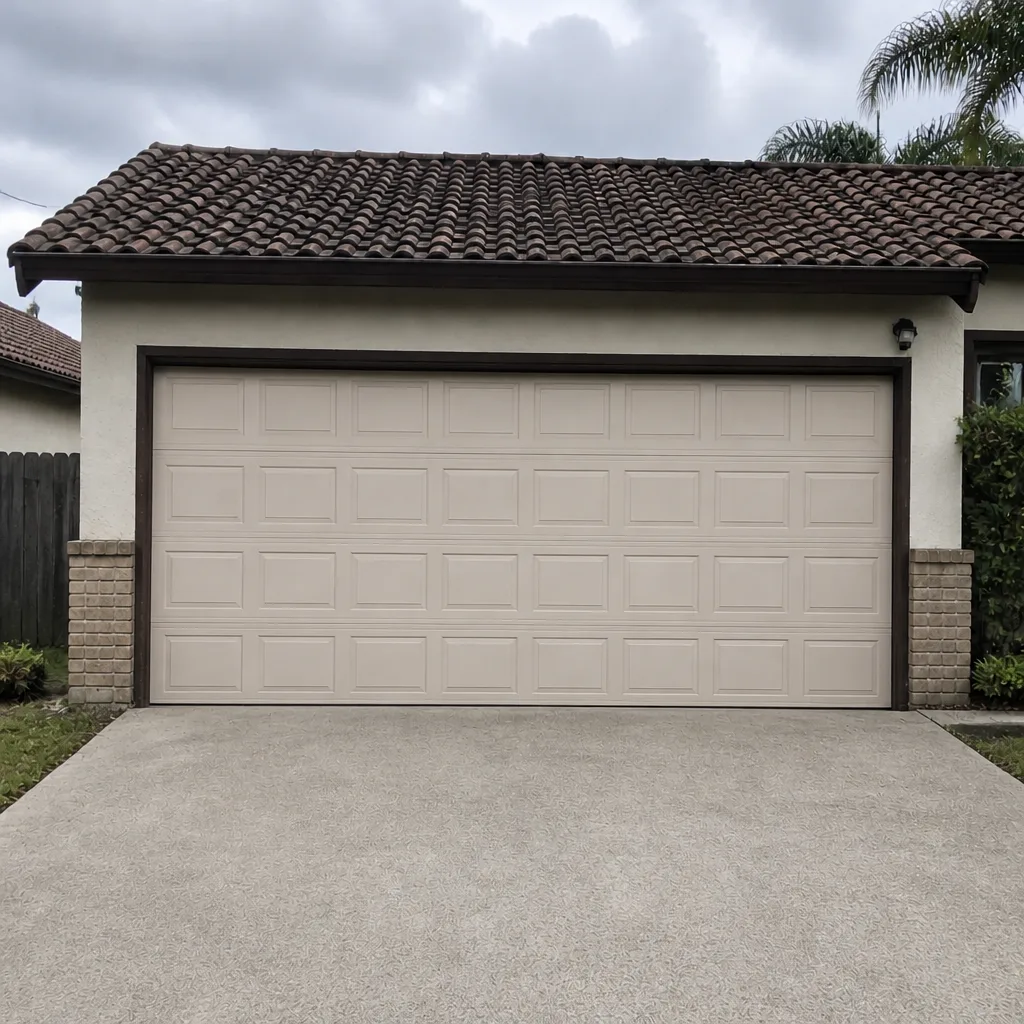 After
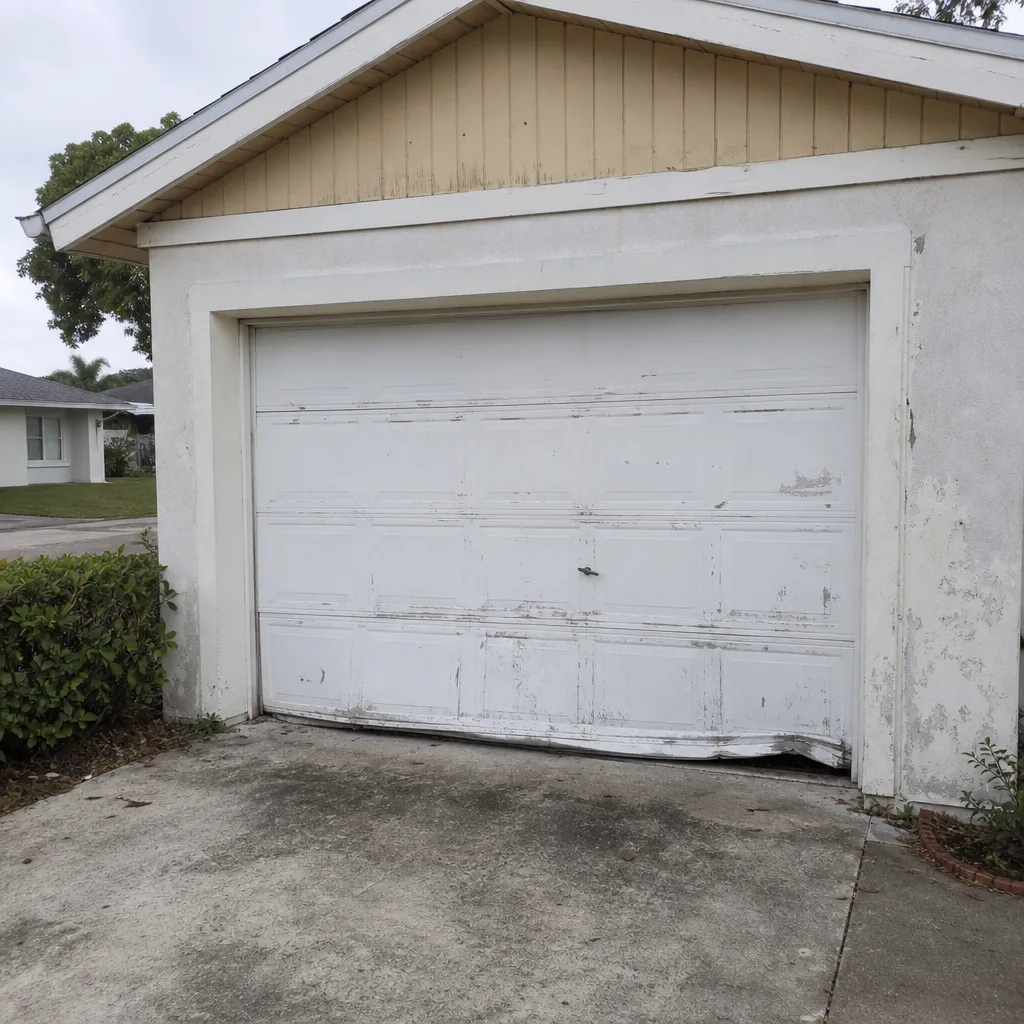 Before
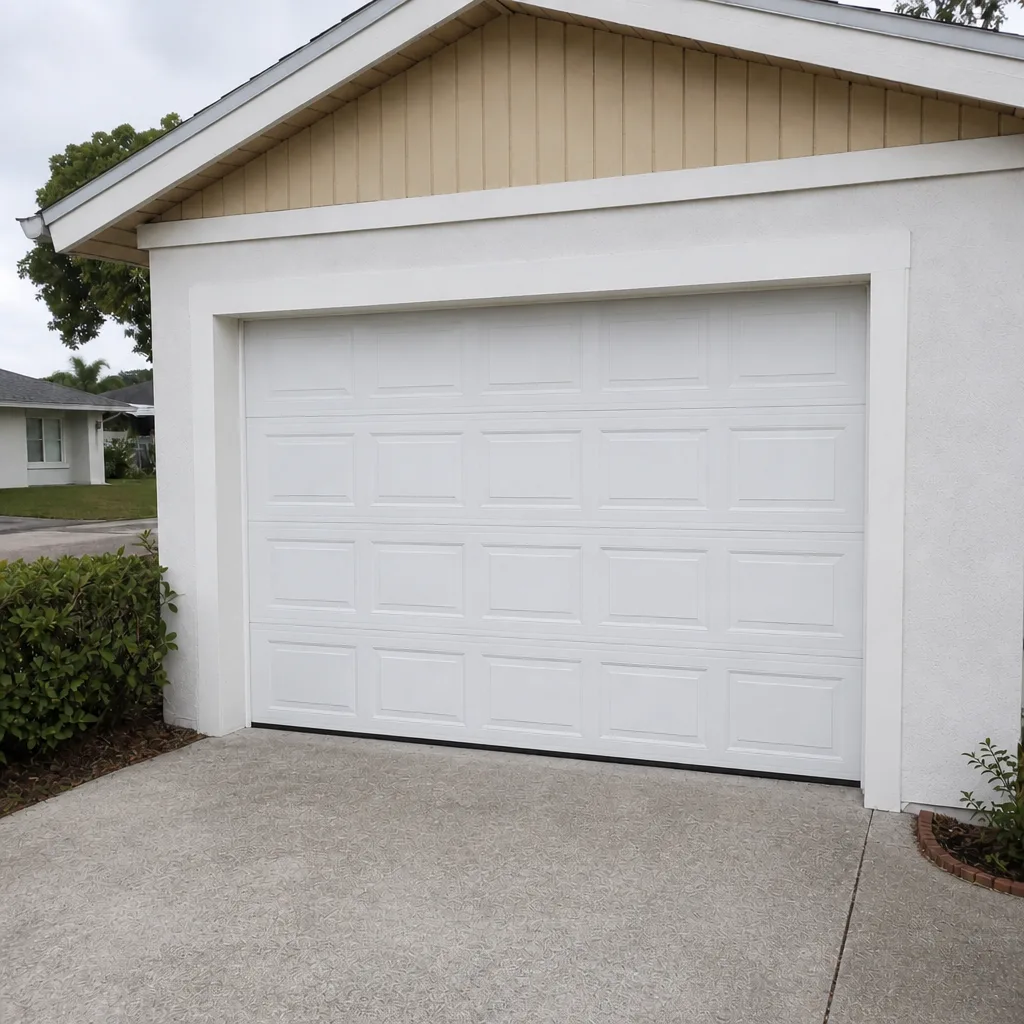 After