Last updated November 22, 2026
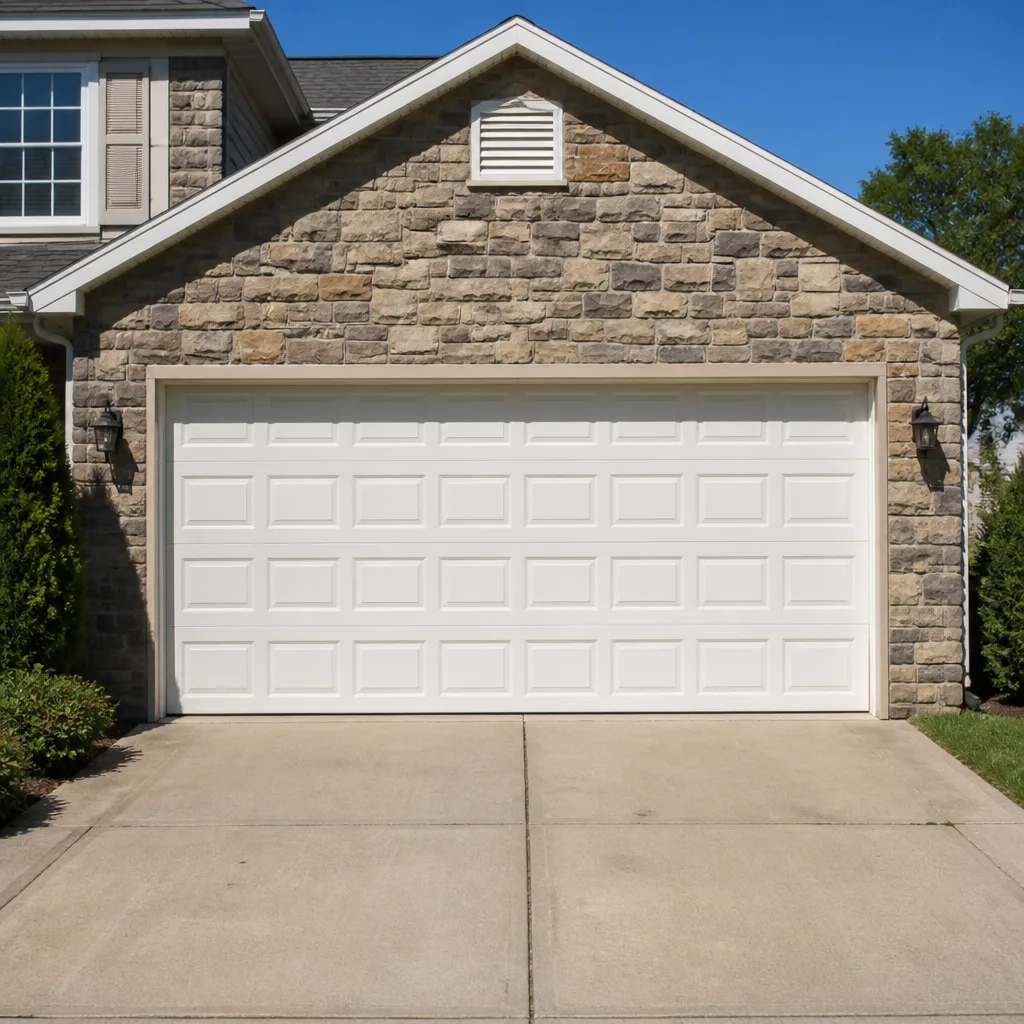 Raised-panel steel
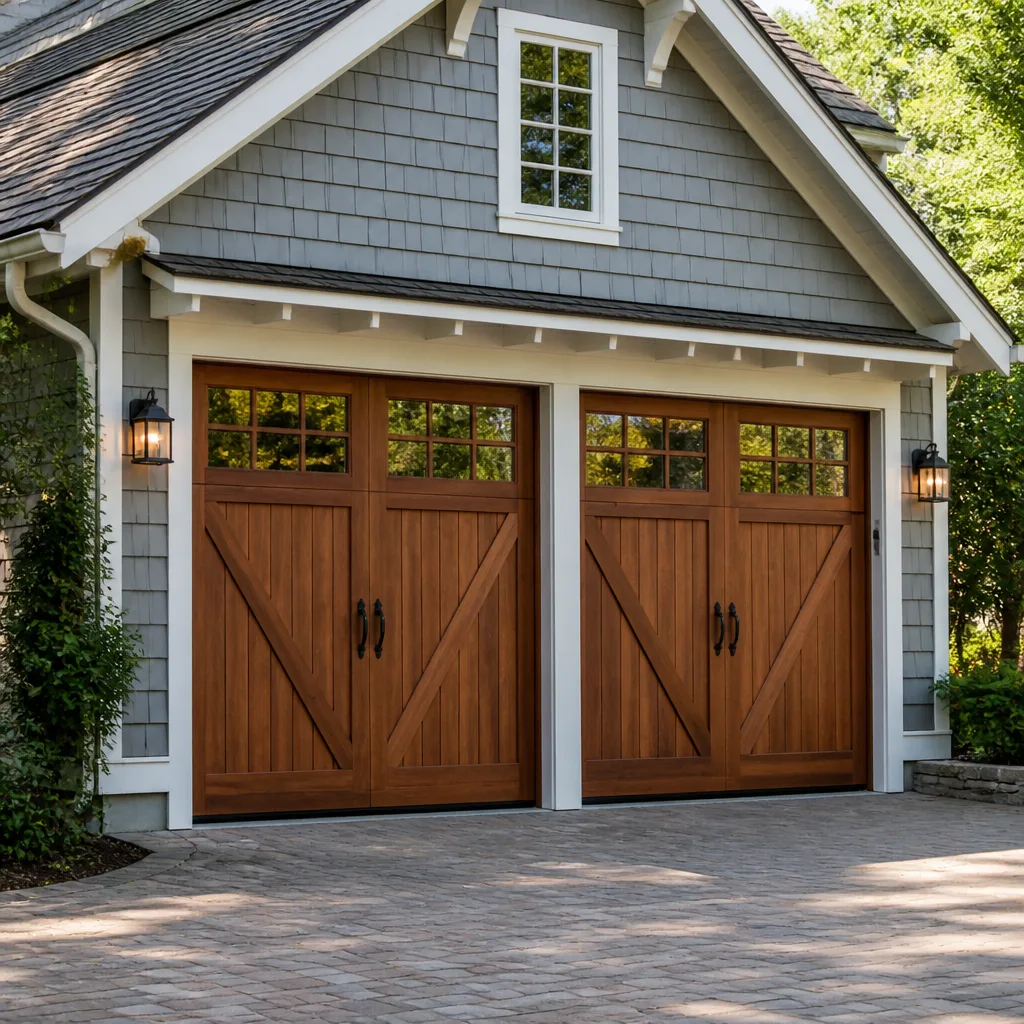 Carriage house
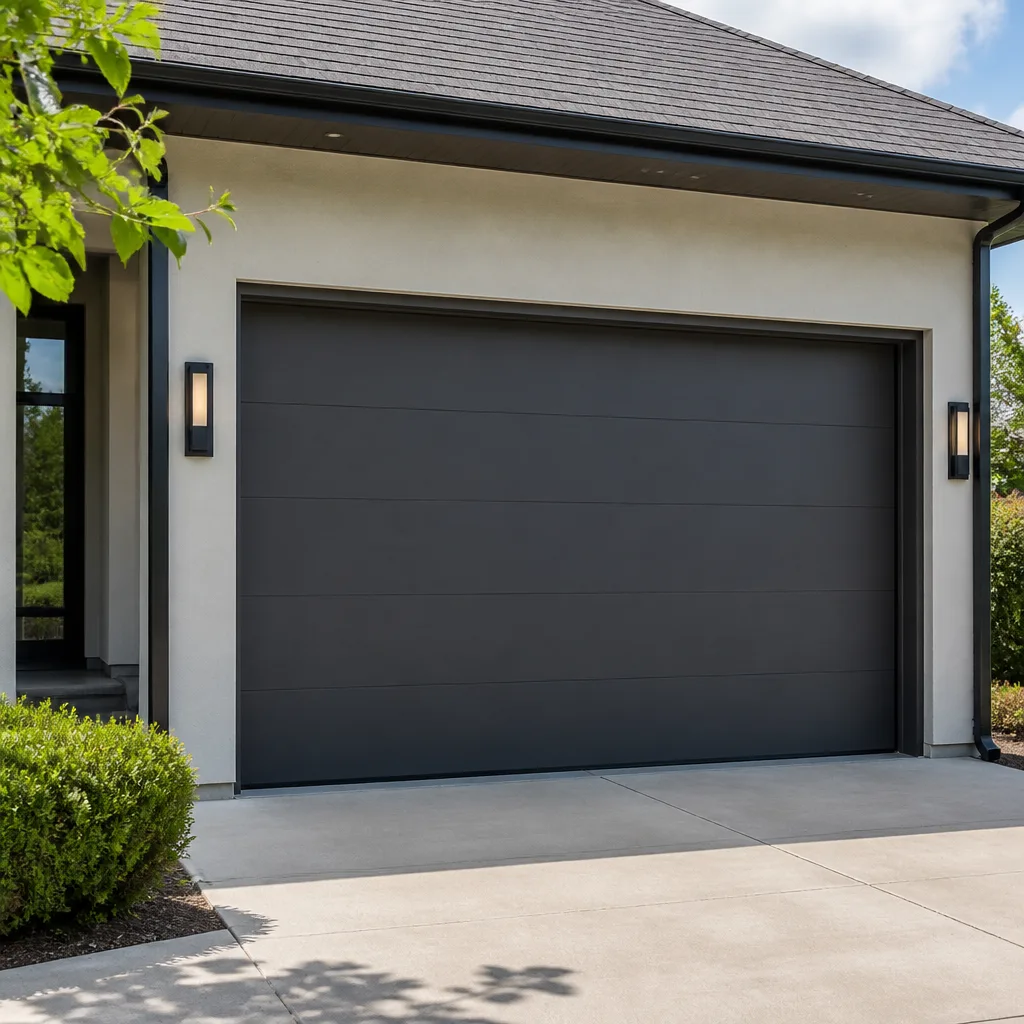 Modern flush
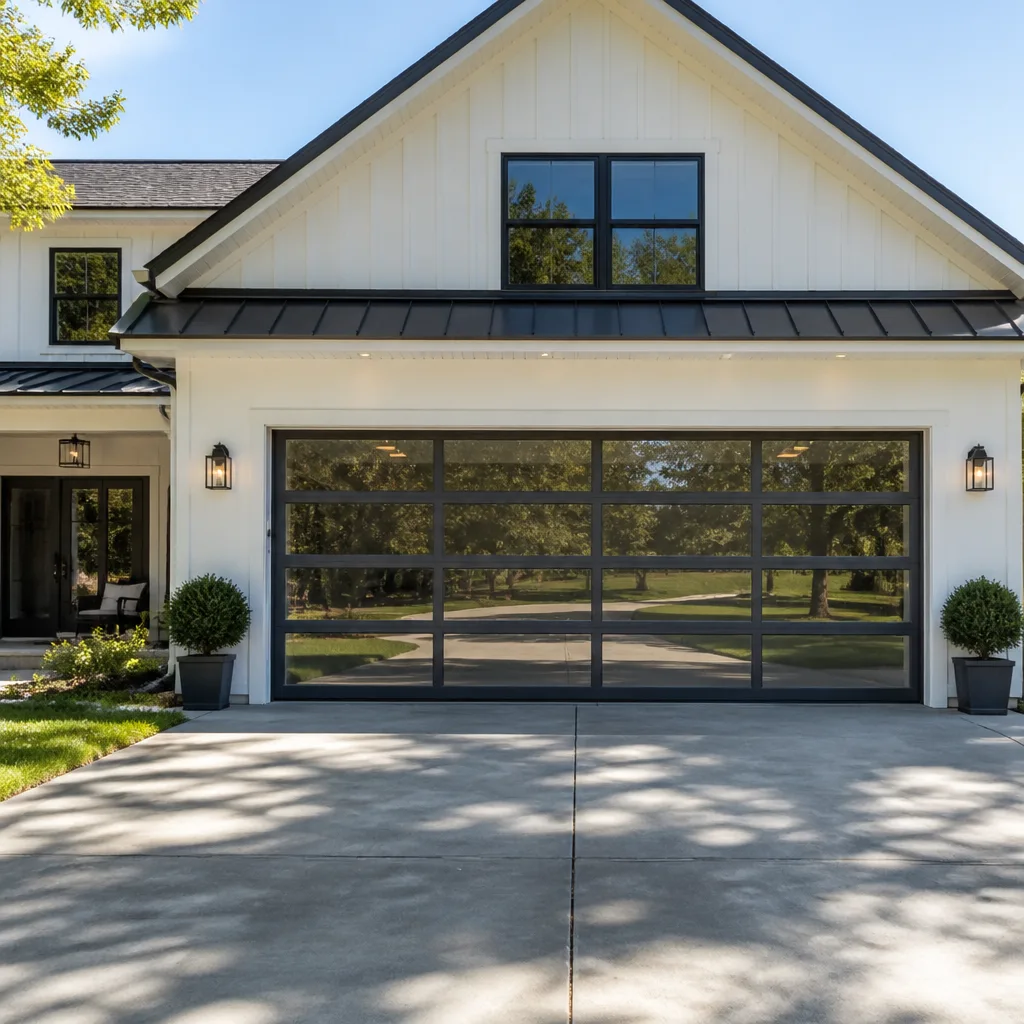 Full-view glass
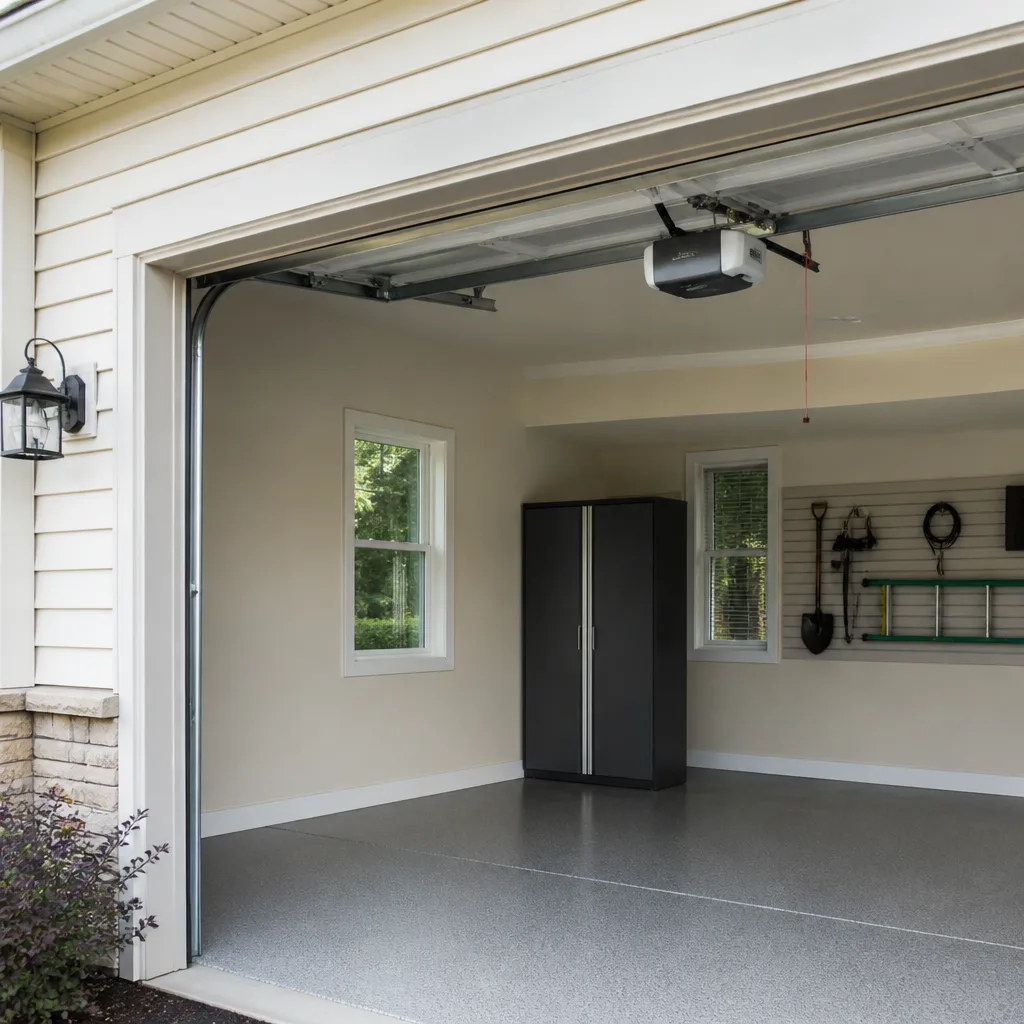 LiftMaster openers
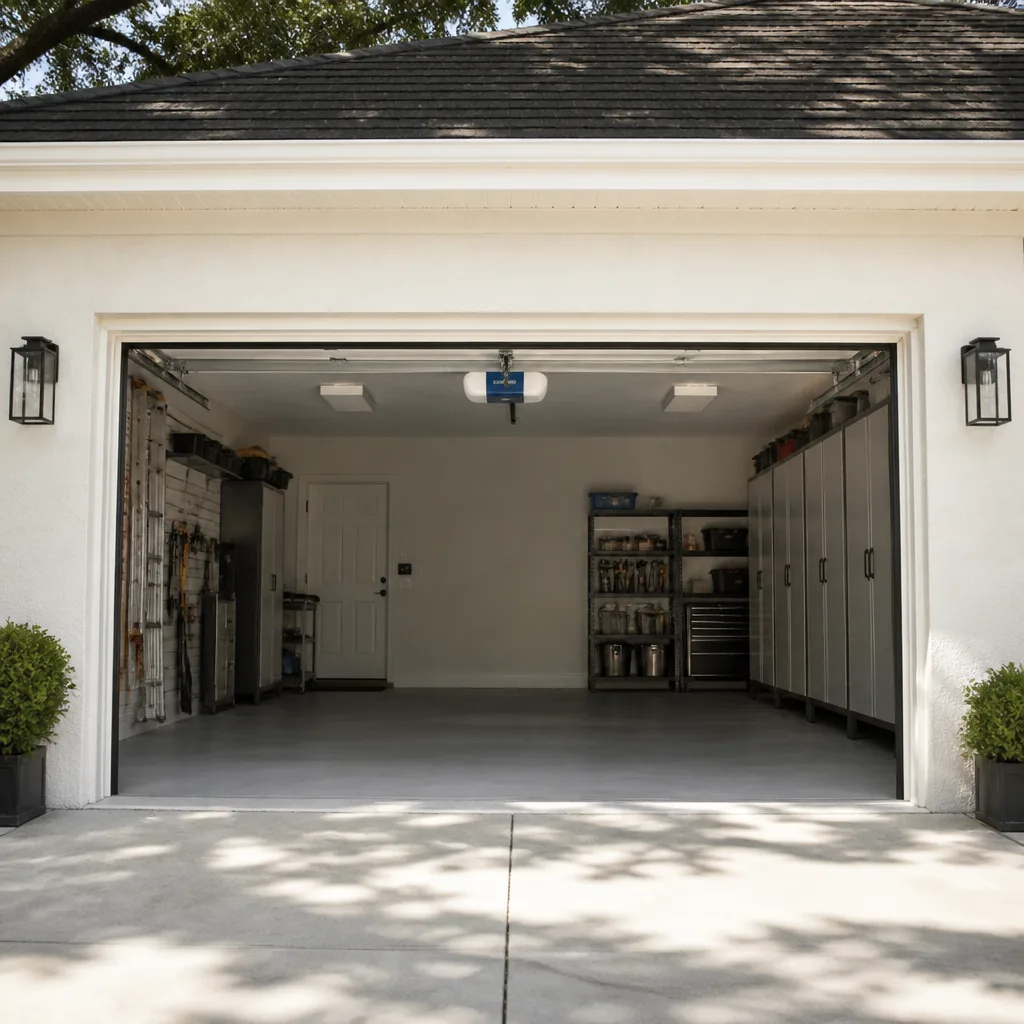 Chamberlain openers
Full 25-point door and opener safety check with every visit - springs, cables, rollers, tracks, and your LiftMaster or Chamberlain opener included
You get a price before we start. It does not change when the pro arrives.
Get your free estimateDIY vs Professional Garage Door: The Pembroke Pines Homeowner’s Decision Guide
Most garage door advice online treats “DIY vs professional” as a question about your skill level. It isn’t. The honest answer depends on which task you’re actually asking about. Replacing a garage door opener yourself is legal, safe, and straightforward. Replacing a torsion spring yourself can kill you, and the physics explanation takes about 30 seconds to understand why. Here in Pembroke Pines, there’s a third variable most guides skip: permits, wind-load rules, and the insurance language that decides whether a self-installed door is covered after a storm. This guide walks through it task by task.
Quick Answer
You can safely do the light jobs yourself: sensor alignment, opener programming, weather seal replacement, and basic lubrication. Anything involving the torsion spring, cables, the door panels themselves, or a full installation should go to a trained professional, because those components store enough energy to injure or kill and because Florida permit and insurance rules make unpermitted work a real liability in Pembroke Pines.
Styles & brands we work with
- Raised-panel steel
- Carriage house
- Modern flush
- Full-view glass
- LiftMaster openers
- Chamberlain openers
Table of Contents
- The Task-by-Task Matrix: What’s Actually DIY
- The Spring Physics: Why Torsion Work Isn’t a Skill Question
- Florida Rules That Change the Math in Pembroke Pines
- The Real Cost Comparison: DIY vs Professional
- Openers vs Doors: Two Different Decisions
- Brand Matters: Getting the Right Part the First Time
- When a Small Problem Is Actually a Pro Call
- Frequently Asked Questions
The Task-by-Task Matrix: What’s Actually DIY
The most useful way to settle the DIY question is to sort every garage door job into three buckets. Bucket one is genuinely homeowner work. Bucket two is a judgment call. Bucket three is hands-off for anyone who isn’t trained and insured. In Pembroke Pines, where the garage is often the everyday front door, you’ll want to know which bucket each problem falls into before you reach for a tool.
Bucket one – do it yourself:
- Aligning photo-eye safety sensors. The brackets loosen, the beam drifts, and the door reverses. A screwdriver and a few minutes fix it.
- Programming a new remote or keypad on a LiftMaster or Craftsman opener. The manual spells out the button sequence.
- Replacing the bottom weather seal. It pushes into a track and pulls out the same way.
- Lubricating rollers, hinges, and the track with a proper garage door lubricant. Avoid grease, which collects grit.
- Adjusting opener travel limits and force settings within the manufacturer’s stated range.
Bucket two – judgment call:
- Replacing rollers. The parts are cheap, but you’re working under a live door with its springs under tension.
- Straightening a slightly bent track. Small corrections are fine. Bending a track back into shape while the door hangs on it is where people get hurt.
- Replacing a single hinge or bracket that isn’t attached to a cable or spring anchor.
Bucket three – professional only:
- Torsion or extension spring replacement, adjustment, or removal.
- Any work on the lift cables.
- Replacing cable drums, the center bearing plate, or the spring anchor.
- Full panel replacement, new door installation, or relocating the tracks.
If you’re planning a bigger job, our garage door repair page covers what a standard repair visit includes, and spring and cable work is where the risk lives.
The Spring Physics: Why Torsion Work Isn’t a Skill Question
A torsion spring on a standard residential door holds several hundred foot-pounds of stored energy at rest. That’s the term the industry uses, and it means this: the force holding your door up is the same force waiting to unwind the moment the winding bars slip. A spring in good working order is under that load every single second of the day. It doesn’t rest. It just waits.
Here’s the part most homeowners don’t hear: the danger isn’t in the spring being under tension. It’s in the release of that tension through your hands, a tool, or whatever part of you happens to be near the winding cone. When a spring lets go suddenly, there’s no gradual warning. Trained technicians work with matched steel bars sized to the winding cone, a winding chart for the specific wire gauge and length, and a locked door with the opener disconnected. Our technicians have up to 11 years of experience, and spring work is still the job that calls for the most care on the truck.
Why the “I’ll go slow” instinct doesn’t help
Going slow works when the danger is a cut or a fall. It doesn’t work here because the risk is released energy, not effort. Slower turns don’t reduce the stored foot-pounds. The spring doesn’t care how careful you are. It releases at the same rate whether you’re a first-timer or a technician. That’s the whole reason spring work sits in bucket three and stays there.
The warning signs that mean “don’t touch it”
- A loud snap from inside the garage, followed by a door that’s suddenly heavy.
- A gap in the spring coil, or a spring that looks stretched out unevenly.
- A door that slams down instead of lowering smoothly.
- Visible fraying or slack in either lift cable.
- A door hanging crooked with one side lower than the other.
Any one of those means the door stays put and you call a technician. Spring and cable work is a core service for us precisely because it’s the highest-tension, highest-risk component of any garage door system, and we treat it that way. You can read more on our Pembroke Pines Garage Door Repair Co page, or call for a free estimate.
Florida Rules That Change the Math in Pembroke Pines
Pembroke Pines is in Broward County, and Broward County takes wind-load compliance seriously. That has real consequences for the DIY decision. A garage door isn’t a cosmetic upgrade here. It’s a structural opening in a wall that has to resist wind pressure, and the rules around it are stricter than most of the country.
What this means for a new door or replacement:
- Permit. Most garage door replacements in Pembroke Pines require a permit through the city’s building department. Ask the department directly for the requirement on your address. If a door is installed without a permit, a future inspection or sale of the home can turn into a problem.
- Product approval. Doors sold in Florida must carry the appropriate product approval for the wind zone. The approval documentation has to be available if the building department asks for it. A homeowner who installs a door from a big-box store without checking that documentation can end up in a spot where the door isn’t recognized as compliant.
- Insurance language. Many Florida homeowner policies contain language tying coverage to professional installation, or excluding damage from improperly installed components. Read your own policy and ask your agent; don’t take our word for it. The important point is that a self-installed door can affect a claim in ways a homeowner won’t discover until after a storm.
We can’t tell you what your policy says, and we won’t pretend to. What we can say is that the permit, approval, and insurance pieces are the reason professional installation matters here for more than just skill. A crew that works in Pembroke Pines regularly knows what the building department wants to see. If you’re weighing a new door, our garage door installation page explains what the process looks like from measure to final adjustment.
How the Pembroke Pines climate plays in
Broward County’s heat and humidity are hard on garage door hardware. Wood panels swell and move. Steel tracks and hardware collect moisture and start to rust faster than in dry climates. Lubrication schedules stretch out in the dry months and shorten in the wet season. None of that makes DIY more dangerous, but it does mean the small maintenance jobs in bucket one repay you more often here than they might somewhere with a milder year-round temperature swing. Homeowners in Chapel Trail, Silver Lakes, and Pembroke Falls tend to notice seal and roller wear show up faster than they expected. That’s the humidity, not a bad door.
The Real Cost Comparison: DIY vs Professional
Here’s where honesty matters. DIY isn’t free, and professional work isn’t just labor. Both have a real cost. Here’s how the math shakes out in the Pembroke Pines market for 2026, using typical ranges. Final pricing depends on the job.
Typical estimated costs, Pembroke Pines 2026:
- Torsion spring replacement, one spring: $180 to $340, including labor and a new spring.
- Matched pair of torsion springs: about twice that, since the pair is replaced together.
- Opener repair: $120 to $280, depending on the part.
- New opener installation: $300 to $550, depending on the model and the wiring.
- Full garage door installation: $900 to $2,400, depending on door size, material, and wind rating.
- Weather seal replacement: $80 to $180 installed.
- Sensor alignment or a small adjustment on a service call: usually under $150.
The DIY side of that math:
- A torsion spring kit with two winding bars: $80 to $150.
- A replacement opener you install yourself: $180 to $350 for the unit, plus a free morning of work.
- Permit fees for a new door, paid either way, plus time spent gathering product approval documentation.
- The real cost of a mistake: if a DIY spring job fails, the professional visit covers the original problem plus whatever new damage the attempt caused. That’s often more than the original repair would have been.
Torsion spring costs are the key number. A spring is the most common major repair, and it’s also the task most tempting to attempt. At $180 to $340 for one spring, the gap between DIY and professional is smaller than most homeowners expect. When you factor in the risk to your hands and your door, the professional estimate is the better deal almost every time. Spring repair on the door isn’t a place to save $100.
The one thing we’ll always say: your price is quoted and agreed before any work starts. You’ll see the estimate, approve it, and only then does a technician touch the door. If the job turns out to be more than the estimate, that’s a conversation, not a surprise invoice.
Openers vs Doors: Two Different Decisions
Openers and doors get grouped together, but they’re separate technical disciplines. An opener is an electrical device with a motor, a control board, safety sensors, and a logic program. A door is a mechanical system with springs, cables, rollers, tracks, and a physical weight that has to be balanced. Mixing them up is where a lot of DIY plans go wrong.
The opener side
A LiftMaster or Chamberlain opener that’s acting up is often a real DIY candidate. Start here:
- Check the safety sensors. Blocked or misaligned sensors will show a blinking light and stop the door. Line them up and clear the obstruction.
- Check the power source and the breaker. An opener that won’t respond at all is sometimes just a tripped breaker.
- Re-pair the remote or keypad to the opener’s control board using the manufacturer’s sequence.
- Check the emergency release rope. If it’s been pulled, the door is in manual mode and won’t run until it’s reset.
- Inspect the belt or chain. A worn belt will make noise and eventually slip.
If steps one through five don’t get the door moving, the problem is inside the unit. That’s when you want a technician, not a guess. Our garage door opener repair page covers the models we work on, which includes the leading brands. Get this part right and you avoid the most common DIY dead end: replacing an opener that only needed a sensor alignment.
The door side
The door is a different animal. Everything about it is heavy, under load, and unforgiving of a wrong adjustment. Panels on a typical residential door weigh between 30 and 50 pounds each. Replacing a section means lifting and setting it while the rest of the door stays balanced. That’s a trained job. Adjusting the travel on an opener so the door closes fully without crushing a small object is a trained job. And any work on the springs or cables is a hard no. If the door is what’s failing, don’t treat it like the opener.
Brand Matters: Getting the Right Part the First Time
One of the most common DIY pitfalls has nothing to do with skill. It’s getting the wrong part. Garage doors and openers are engineered to specific tolerances, and a generic part from a big-box store often doesn’t fit. A homeowner who buys a “universal” spring, a replacement roller, or a bracket has a decent chance of bringing home something that won’t work or won’t last.
We work on eight of the most recognized brands in the industry: LiftMaster, Chamberlain, Genie, Clopay, Amarr, Wayne Dalton, Craftsman, and Raynor. That range matters for a DIY decision. When a Wayne Dalton door needs a panel, the panel dimensions and track profile are specific to that product line. When a Raynor opener’s control board fails, the replacement part number matters. When a Craftsman opener needs a new logic board, model numbers within the same line don’t always share a board. The right part for your specific model isn’t a marketing line. It’s the difference between a working door and a second trip to the store.
How to identify what you have
- Look for a brand label on the inside of the door panel, usually on the bottom section.
- Look for a model and serial sticker on the opener motor housing, often under the light cover.
- Take a photo of both before you shop. Model numbers are frequently retired, and the sticker is the only reliable record.
- If there’s no label, measure the door width and height and photograph the spring and track. A technician can identify the make from the hardware.
If you’re not sure what you own, we can help you identify it when we’re out for an estimate. That’s part of the free estimate and it saves you a return trip.
When a Small Problem Is Actually a Pro Call
Some problems look small and aren’t. If the door moves unevenly, if it reverses on its own, if you hear a pop or a snap, or if you can see a gap in the spring coil, stop and call. If the door won’t open by hand with the opener disconnected, that’s a balance issue and a spring or cable problem. If the door hangs up on one side, the same applies. None of those are judgment calls.
Emergency service matters here too. A door stuck open overnight in Pembroke Pines is a security hole, and a car trapped inside the garage is a morning you can’t afford. We handle emergency garage door calls for exactly those situations, and we can also work with your insurer on a claim. Our technicians have up to 11 years of experience, and we cover the whole system: door, opener, springs, and the hardware in between. We’re open Sunday through Friday, 7am to 7pm, and closed Saturday.
Pembroke Pines Garage Door Repair Co offers free estimates in Pembroke Pines. Call (855) 529-2078 and we’ll get you a written quote before anyone touches the door.
Common Mistakes to Avoid
- Buying a “universal” torsion spring. Springs are matched to door weight, height, and cycle life. A universal spring will either lift the door poorly or fail early. Get the right spring for your door’s actual weight and learn your brand’s spec first.
- Skipping the permit on a replacement. In Pembroke Pines, a new door usually needs a building permit. Installing without one can create a headache at resale or an inspection. Call the city’s building department before you buy.
- Assuming your insurance covers DIY work. Policy language varies. Read your policy or ask your agent before you install a door yourself. Don’t assume a claim will be paid.
- Oiling the spring. Grease and oil attract grit and shorten the spring’s life. Use a proper garage door lubricant on rollers, hinges, and tracks instead.
- Disconnecting the opener and forgetting. Once the emergency release is pulled, the opener won’t run until it’s reset. Homeowners often think the motor died when it’s just in manual mode.
- Forcing a heavy door. A door that won’t lift easily by hand is out of balance. Forcing it strains the opener and can bend a panel.
- Buying an opener before checking sensors. Sensors are the most common cause of a “dead” opener in Pembroke Pines homes. Check them first and save yourself the purchase.
See the difference
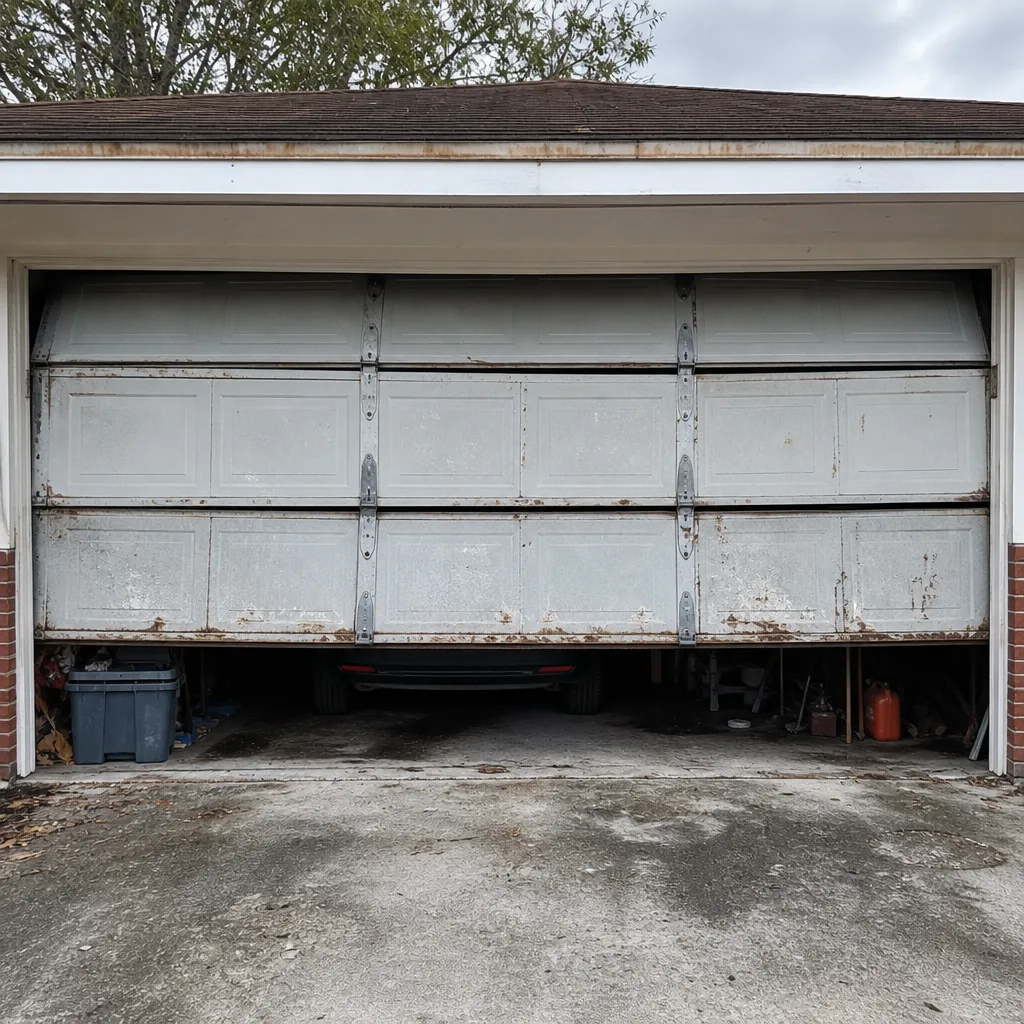 Before
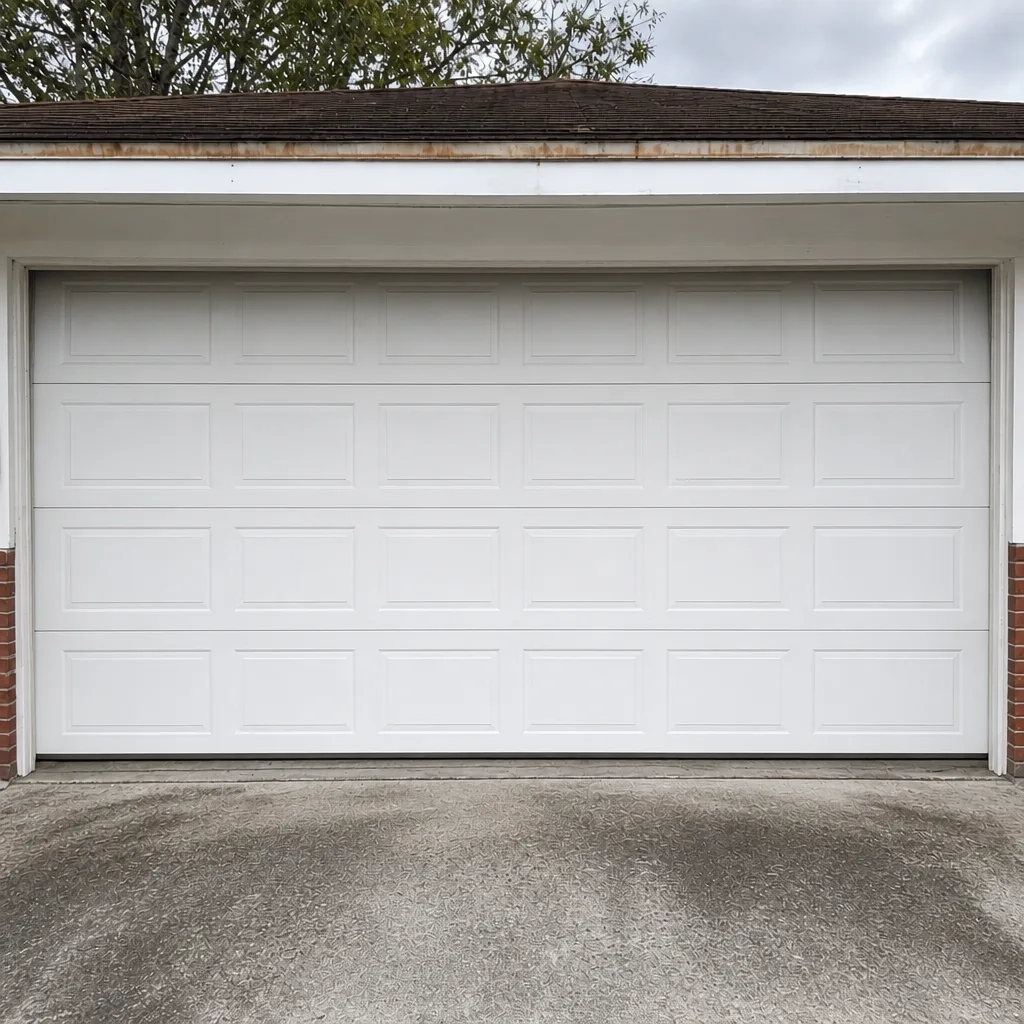 After
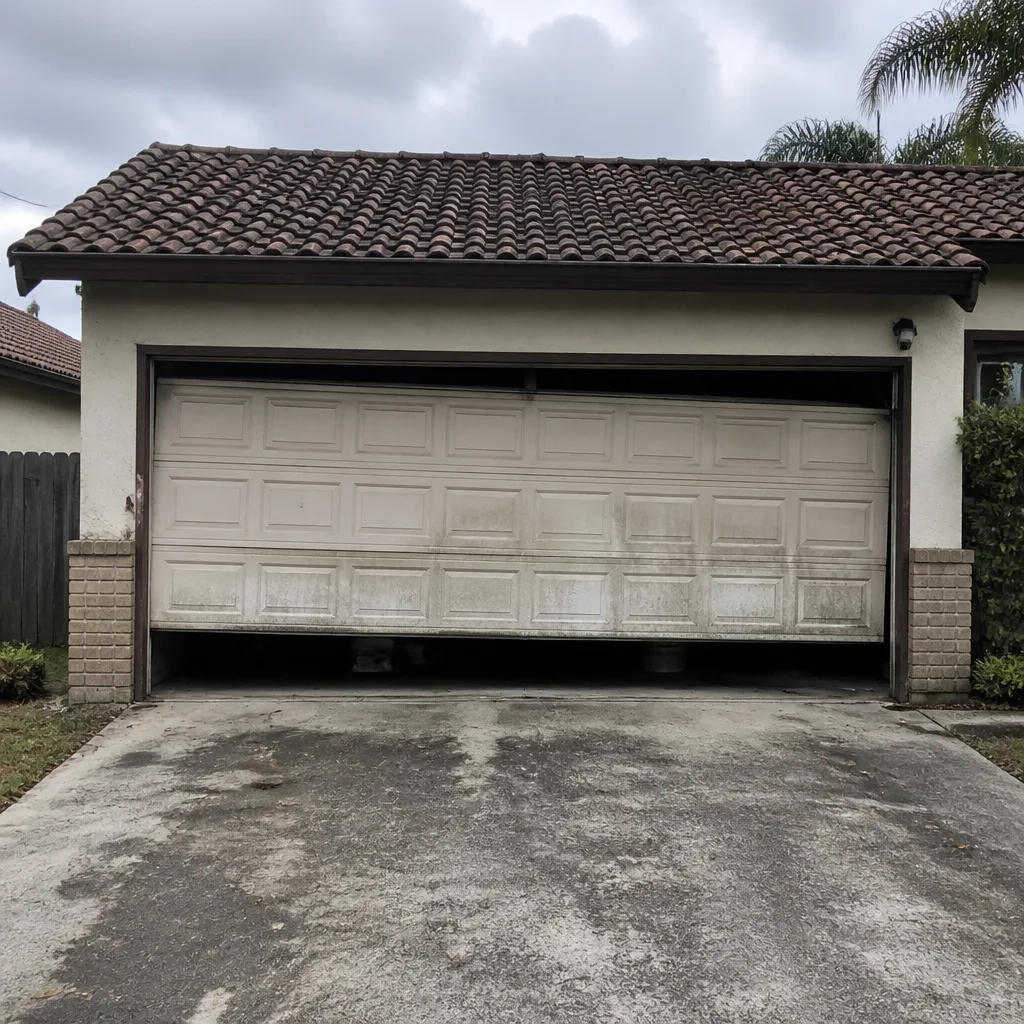 Before
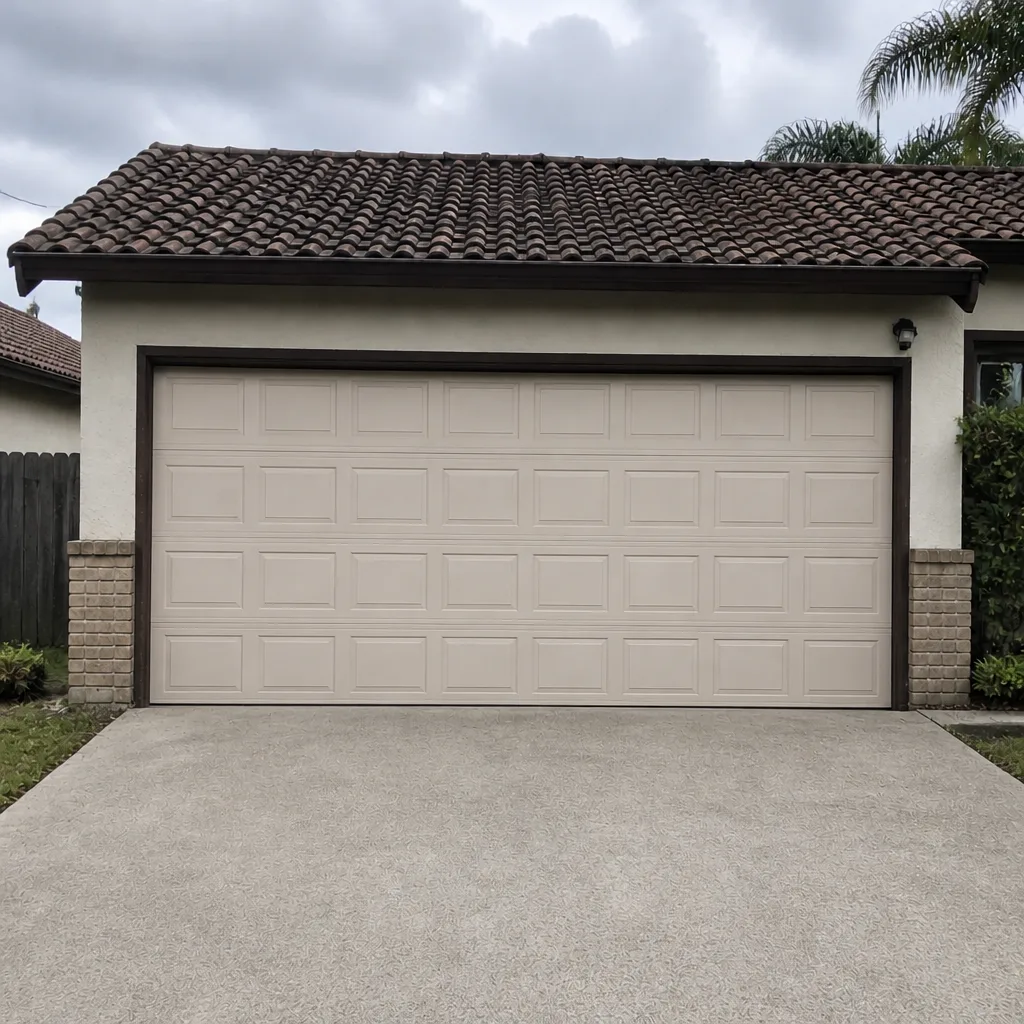 After
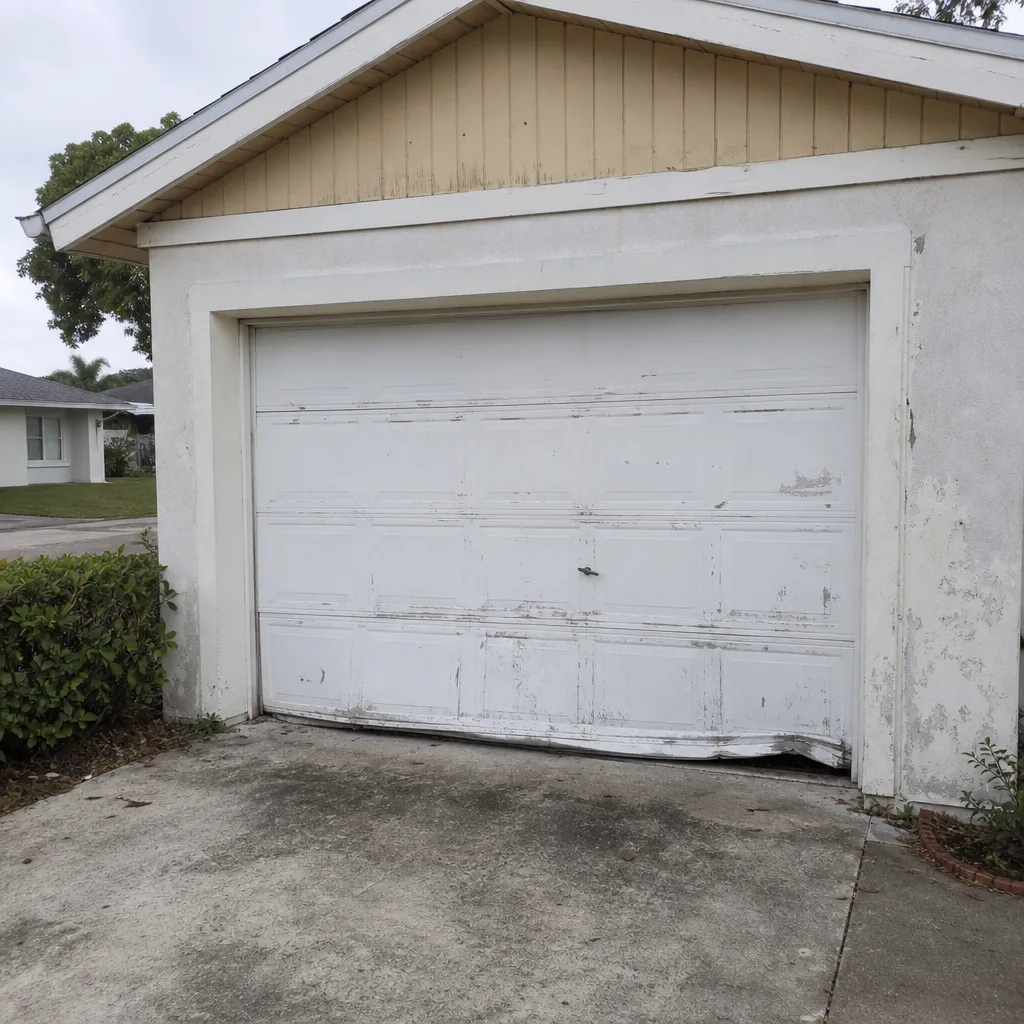 Before
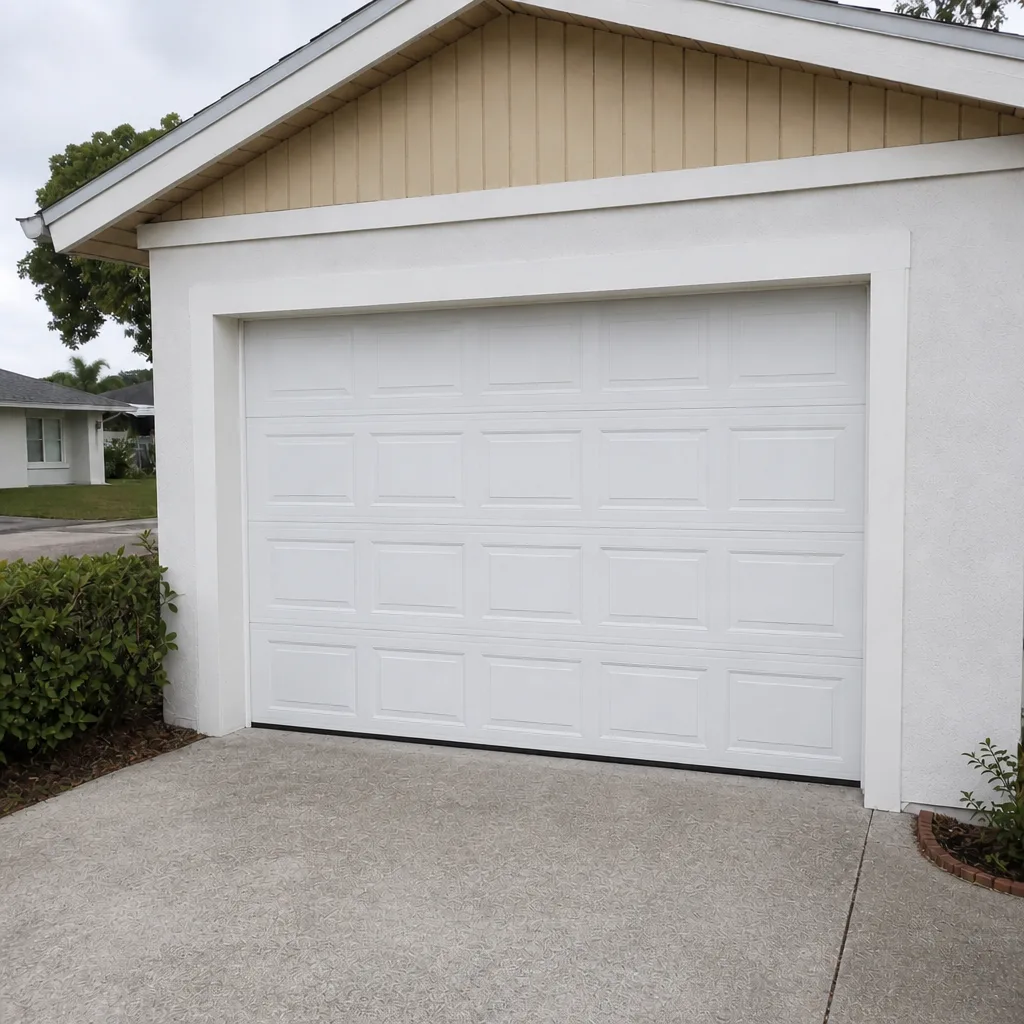 After
When to Call a Professional
Call a professional when the problem involves a spring, a cable, a track that has moved, a door that’s out of balance, or an opener that has failed after the sensor and remote checks. Call immediately if a door is stuck open, stuck closed, or making a snapping sound. Those aren’t jobs for a homeowner with a Saturday tool run. Our technicians have up to 11 years of experience, and we work with the brand you already own, whether that’s a LiftMaster opener, a Clopay door, or anything in between.
We’re open Sunday through Friday, 7am to 7pm, and closed Saturday. Emergency garage door service is available for time-sensitive failures. Pembroke Pines Garage Door Repair Co offers free estimates in Pembroke Pines: call (855) 529-2078.
Frequently Asked Questions
No. A torsion spring holds several hundred foot-pounds of stored energy, and it can release suddenly with enough force to cause serious injury or death. You can buy the parts, but the risk isn’t worth the labor savings on a $180 to $340 repair. Call (855) 529-2078 for a free estimate.
Yes, most repairs are legal to do yourself. The issue in Pembroke Pines isn’t legality, it’s permits and compliance. A full door replacement usually requires a building permit, and the door needs the right product approval for the wind zone. Ask the city’s building department before you install.
It can, depending on your policy. Some Florida policies tie coverage to professional installation or exclude damage from improper installation. Read your own policy or ask your agent; the answer is specific to your insurer, not universal. Call (855) 529-2078 if you want a professional quote to compare.
Sensor alignment, opener programming, remote pairing, weather seal replacement, and lubrication are all appropriate for a homeowner. Anything involving springs, cables, or a track that has moved should go to a technician. Call for a free estimate if you’re unsure which bucket your job is in.
Torsion spring repair typically runs $180 to $340 for one spring, and a matched pair is about twice that. The written estimate sets the final price before any work starts. Call (855) 529-2078 for an exact quote; estimates are free.
Sometimes on the small jobs, yes. On spring or cable work, a DIY failure costs more than the original repair because the professional visit covers both the original problem and the new damage. The savings on those jobs usually aren’t real. Call (855) 529-2078 and compare against a written estimate.
No. We’re closed Saturday. We’re open Sunday through Friday, 7am to 7pm. If the door fails, call (855) 529-2078 and we’ll get you a free estimate for the next available day.
Most likely, yes. We work on LiftMaster, Chamberlain, Genie, Clopay, Amarr, Wayne Dalton, Craftsman, and Raynor. That covers most doors and openers in Pembroke Pines homes. Call (855) 529-2078 with your model information and we’ll confirm.
The Bottom Line
The DIY decision on a garage door isn’t about how handy you are. It’s about which task you’re looking at. Sensors, programming, weather seals, and lubrication are homeowner work. Springs, cables, tracks, and full installations are not, both because of the physics and because of Florida’s permit and insurance rules. For a spring job at $180 to $340, the professional estimate is a good deal, and it protects the door and your homeowner’s policy. If you’re not sure which bucket your problem belongs in, that’s the moment to call.
Pembroke Pines Garage Door Repair Co handles repair, opener repair, spring repair, installation, and emergency service for the leading brands. We’re open Sunday through Friday, 7am to 7pm, and closed Saturday. Estimates are free, and the price is quoted and agreed before any work starts. Call (855) 529-2078 and we’ll get you a written estimate.
Written by the team at Pembroke Pines Garage Door Repair Co.