Last updated November 22, 2026
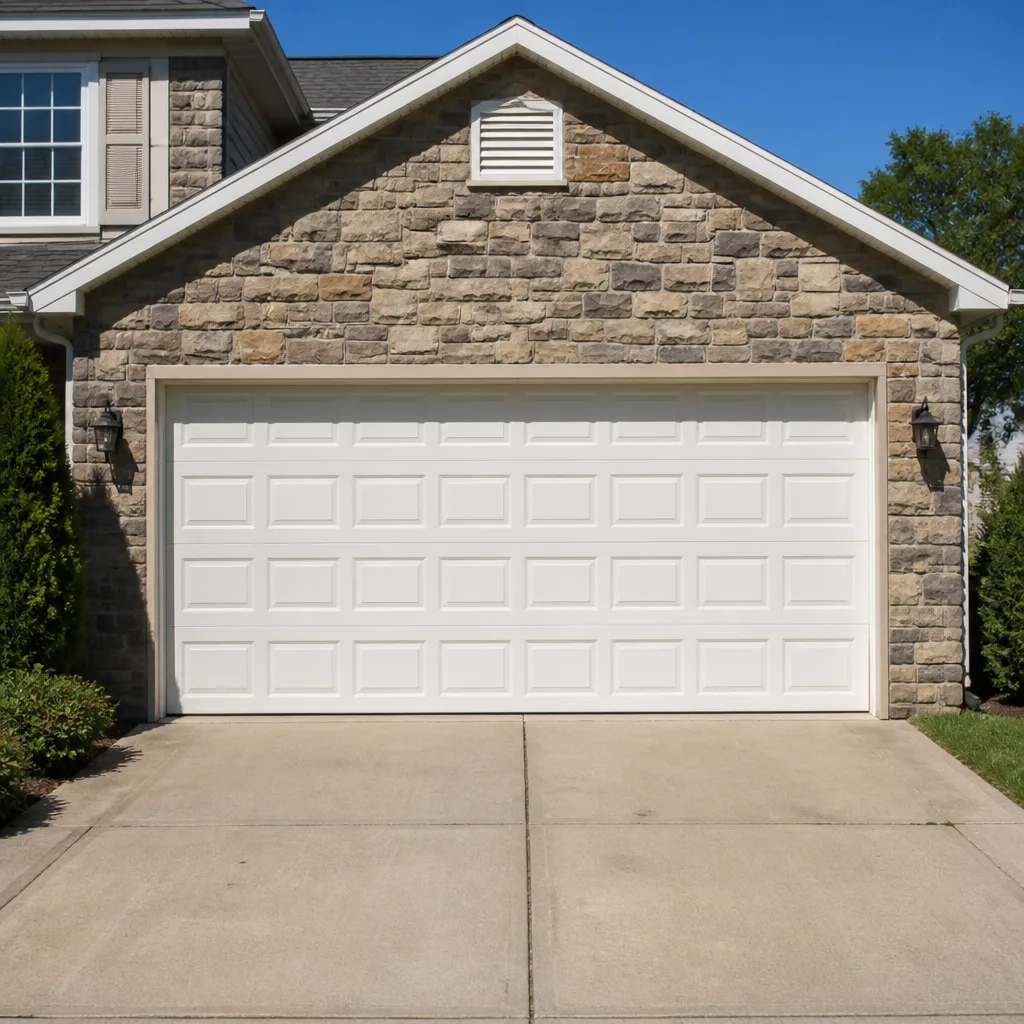 Raised-panel steel
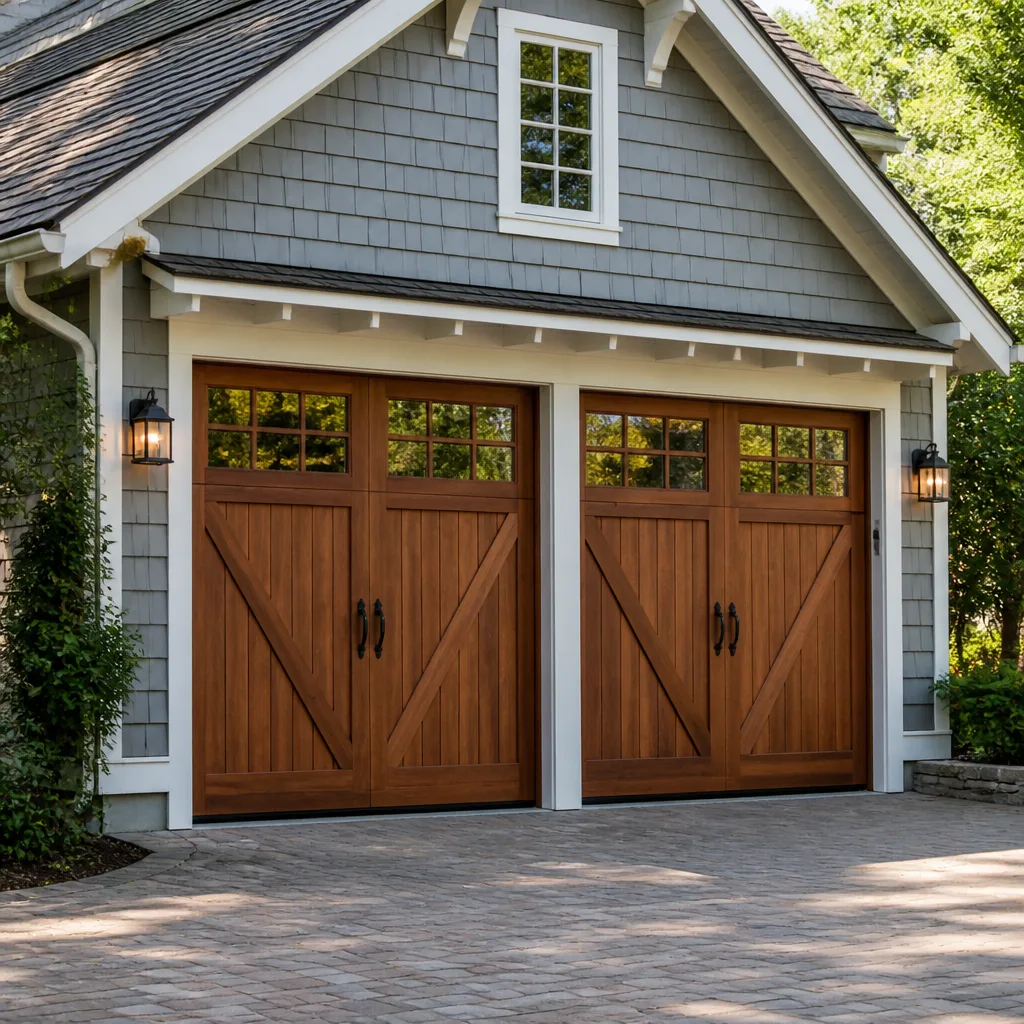 Carriage house
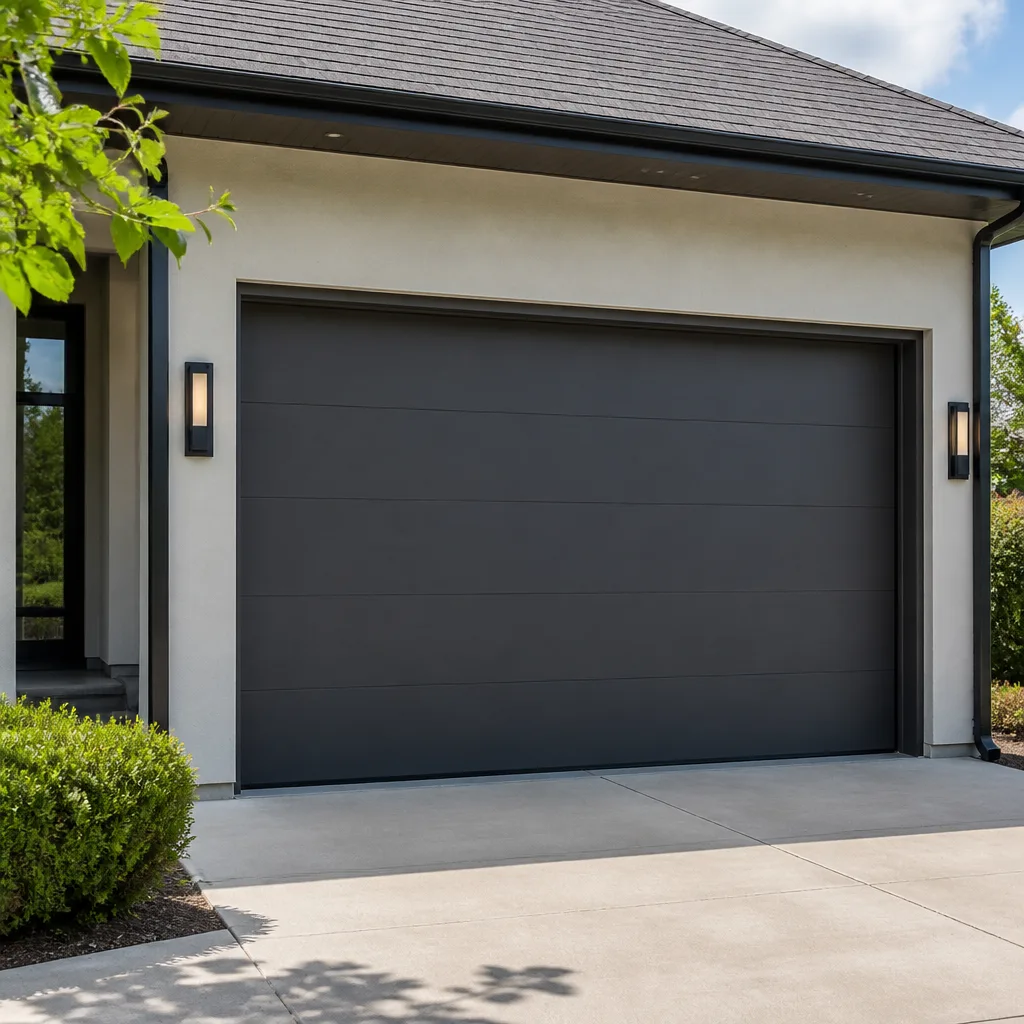 Modern flush
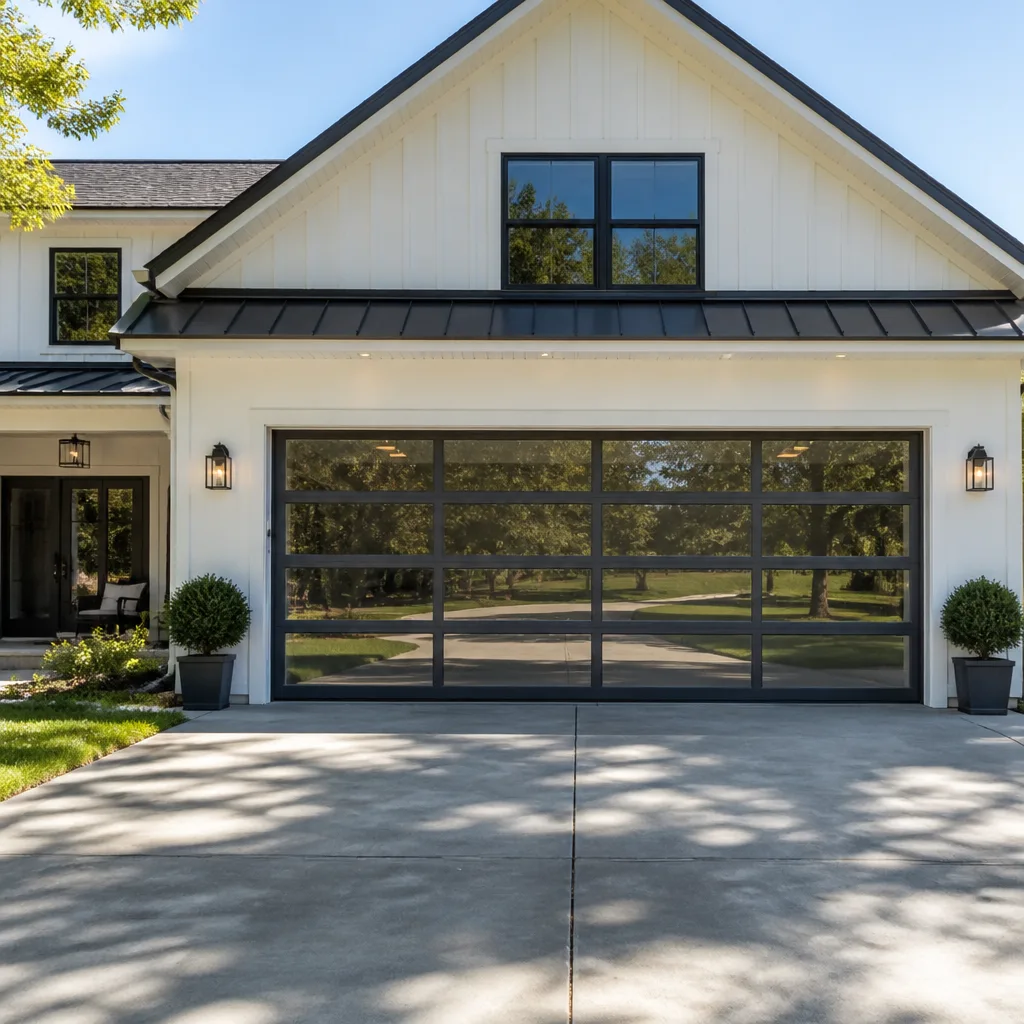 Full-view glass
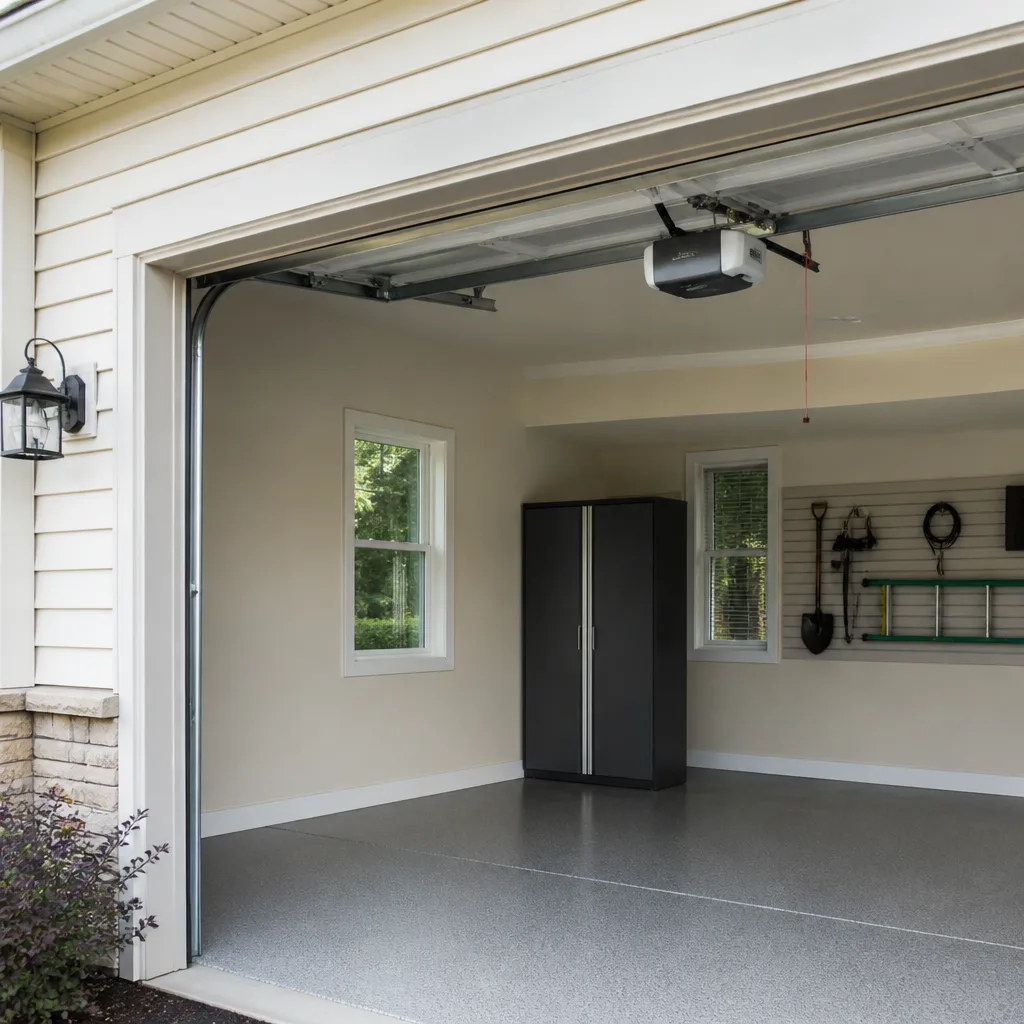 LiftMaster openers
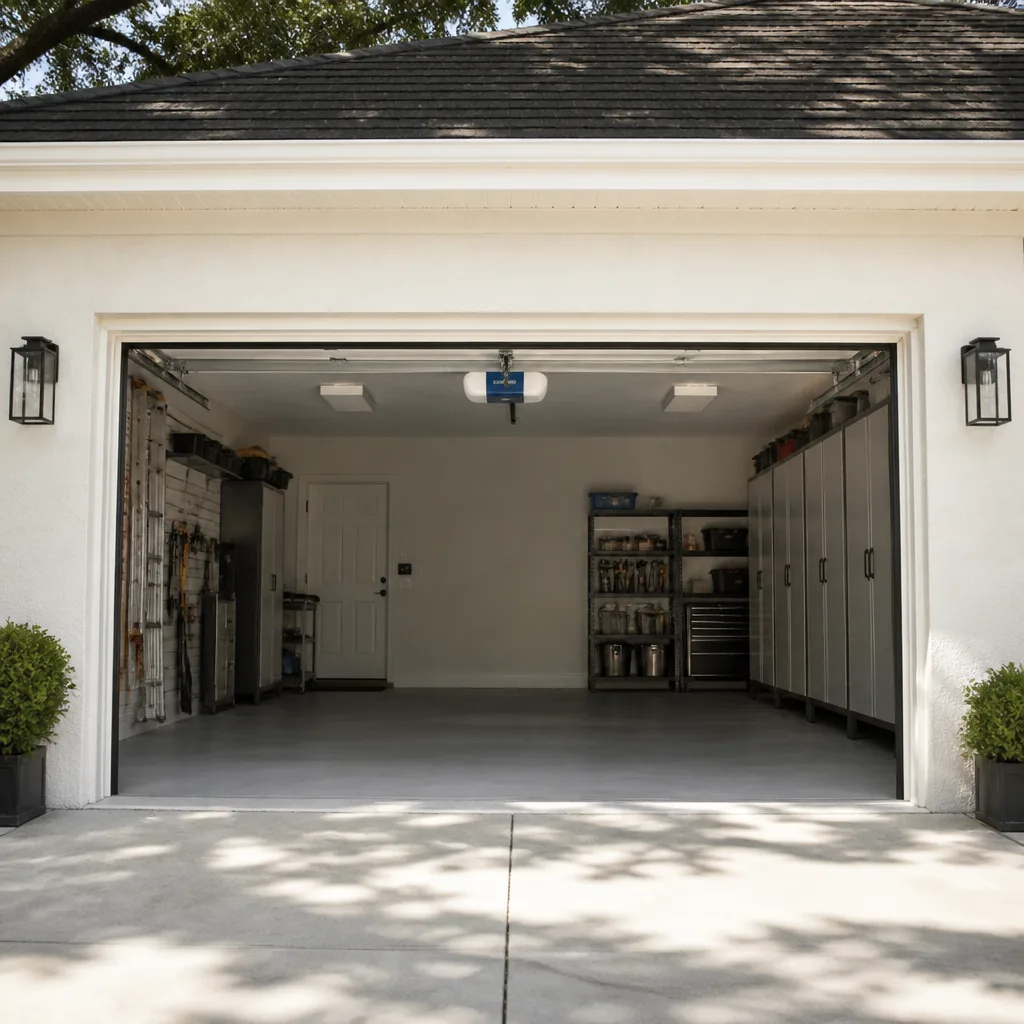 Chamberlain openers
Full 25-point door and opener safety check with every visit - springs, cables, rollers, tracks, and your LiftMaster or Chamberlain opener included
You get a price before we start. It does not change when the pro arrives.
Get your free estimateGarage Door Repair Maintenance Checklist for Pembroke Pines Homeowners
Most garage door maintenance advice you’ll find online was written for a cold climate. Lubricate the rollers twice a year, watch for ice in the tracks, clear the snow away from the bottom seal. That advice assumes cold-weather stiffness is your biggest enemy. In Pembroke Pines, it isn’t. Your real enemy is moisture and the constant, low-level stress that comes with living in a subtropical climate where the air holds heat and water most of the year. Humidity swells wood panels and works its way into bearings. Storm season tests every fastener and every rated component. Throw in the daily stop-start of a door that serves as your primary entry point and you’ve got a maintenance picture that looks nothing like a northern climate checklist. This guide walks through what actually matters here, month by month.
Quick Answer
A garage door maintenance checklist for Pembroke Pines should focus on humidity control, monthly visual inspections for corrosion and water intrusion, correct high-humidity lubricants, pre-storm and post-storm inspections tied to Broward County’s hurricane season, and seasonal timing built around South Florida’s wet and dry months rather than the four-season calendar. Springs and torsion hardware are the highest-risk items and need attention first.
Styles & brands we work with
- Raised-panel steel
- Carriage house
- Modern flush
- Full-view glass
- LiftMaster openers
- Chamberlain openers
Table of Contents
- Monthly Visual Inspection Protocol for Pembroke Pines Doors
- The Right Lubricant for South Florida Humidity
- Pre-Storm and Post-Storm Inspection for Hurricane Season
- Testing and Documenting Your Door’s Wind-Load Rating
- The Pembroke Pines Seasonal Timing Calendar
- Wood Panels, Humidity, and Water Intrusion
- Opener and Safety-Reverse Testing
- When Maintenance Needs a Trained Technician
Monthly Visual Inspection Protocol for Pembroke Pines Doors
A sixty-second walkaround once a month catches most of the failures we see before they become emergencies. Humidity and warmth move slowly, so the problems they cause are slow too. Look for them on a schedule and you’ll rarely be surprised.
- Inspect the torsion springs. Look at the coil for a thin rust bloom or powdery orange residue on the surface. Springs are under extreme tension, and corrosion on the wire reduces how long they hold. If you see rust, note it and have a technician look before the door starts binding.
- Check the bottom brackets and bottom seal. The bottom brackets sit close to the ground where splash and moisture collect. Look for corrosion on the metal and water sitting inside the seal. A swollen or split seal lets water creep under the door.
- Look at the track hardware. Hinges, rollers, and track bolts should be dry and free of white or orange deposits. Corrosion on a roller means it’s dragging rather than rolling.
- Wipe test the panels. On a wood door, press a fingertip into the lower rail and look for softness or a sponge feel. Paint failures on the bottom edge are the first visible sign humidity is getting into the wood.
- Listen and watch. Run the door once and listen for grinding, squealing, or a bang at the start. Watch for the door drifting or leaning in its tracks.
That monthly routine is the foundation of any garage door maintenance checklist specific to Pembroke Pines. It takes a few minutes, and it flags the things that turn into late-night calls. If anything on the list looks wrong, don’t force the door through a full cycle. It’s a leading cause of secondary damage to the opener and tracks.
The Right Lubricant for South Florida Humidity
WD-40 is the wrong answer for a garage door in South Florida. It’s a light solvent-and-oil blend, not a long-term lubricant. It thins out fast, attracts dust, and does nothing to hold back oxidation on hardware that sits in warm, humid air. Homeowners reach for it because it’s in the garage already, but it evaporates and leaves metal components drier than they started.
What works in high humidity is a thicker lubricant that stays put. Here’s how we think about it:
- For rollers and hinges: a silicone-based or white lithium grease spray holds up well in humidity. Apply a small amount, cycle the door, and wipe off the excess. Thick grease attracts grit in coastal-style humidity, so use it sparingly.
- For torsion springs: use a spray lubricant specifically designed for springs, not a general-purpose oil. Do not touch the springs with your hands or try to work oil into the coils. Springs are the highest-tension component on the whole door.
- For the opener rail and chains: a manufacturer-specific grease for the opener chain and drive rail, matched to your opener brand. We work with LiftMaster, Chamberlain, and Genie openers regularly, and each has its own recommended lubricant and interval. A generic grease can gum up the drive gear.
- For metal tracks: do not lubricate the tracks themselves. Grease on a track collects grit and makes the rollers slide rather than roll. Wipe the tracks clean and dry instead.
Lubricate less often than you would in a dry climate, but choose the lubricant carefully. The goal isn’t more product. It’s the right product, applied where it helps and kept off the surfaces that should stay clean.
Pre-Storm and Post-Storm Inspection for Hurricane Season
Hurricane season in Broward County runs from June through November, which means the garage door gets tested by pressure changes and high wind at least once most years. The garage door is usually the largest opening on a home, and it’s often the weakest point in the wind envelope if hardware has worn. A pre-storm inspection isn’t about being dramatic. It’s about knowing your door is tight before a system moves through.
Run this pre-storm check before each named system:
- Test the balance. Disconnect the opener (pull the release cord) and lift the door halfway. A balanced door should stay put. If it drops, the spring tension is off and the door won’t hold against gust pressure as designed.
- Check the bottom seal for gaps. Run a hand along the seal with the door closed. Any daylight or loose seal means wind can get under the door.
- Inspect track anchors and bolts. Any loose lag bolt into the wall should be flagged. Loose anchors let the track move under load.
- Confirm the wind-load label is legible. Every rated door has a label on the inside with its design pressure rating. If it’s faded, photograph it before the storm.
- Verify the opener is holding the door closed. If your opener has a hold-to-close or lock feature for storm preparation, use the manufacturer’s instructions for your specific unit.
After a storm passes, do a reverse check. Look for water intrusion inside the seal, bent tracks, or rollers that came out of the channel. If your door took any impact or shifted in its tracks, stop using the opener and have a technician inspect the door. A door that’s off-track can fail catastrophically under power. If that happens, call for garage door repair so a trained technician can assess the structural condition before you run the opener again.
Testing and Documenting Your Door’s Wind-Load Rating
Your garage door’s wind-load rating is written on it. It’s not a marketing number, it’s a design pressure the door was tested to resist. In Pembroke Pines, where wind ratings matter for both safety and insurance documentation, keeping that rating valid after years of hardware wear takes a little attention. Loose brackets, worn rollers, and a warped bottom section all reduce how well the door performs against its rated pressure.
Here’s how to test and document it:
- Locate the rating label. It’s usually on the inside face of the top or bottom section, occasionally on a bracket. It should list a design pressure in miles per hour or pounds per square foot.
- Photograph it. Snap a clear photo of the label and keep it with your home records. If it fades, that photo is your documentation.
- Inspect the rated components. Rated doors use specific hinges, brackets, and track systems engineered for the load. If any of these have been replaced with generic parts over the years, the rating isn’t valid. Check the door’s model line, since Clopay and Amarr in particular use load-specific hardware for their rated products.
- Check the track anchors. Every anchor should be tight in the wall. A loose anchor lets the door flex past its design load.
- Note the door’s condition in writing. Keep a dated note or photo of the door in its current state. If a claim is ever needed, that record shows the door was in rated condition before a weather event.
We’ve had homeowners call asking us to inspect a door after an insurer asked for documentation. When that happens, we can inspect the hardware, confirm the door is still in its rated configuration, and note any worn parts. If your door needs replacement hardware to hold its rating, that’s a conversation to have before storm season, not during it.
The Pembroke Pines Seasonal Timing Calendar
The four-season maintenance calendar doesn’t work here. Pembroke Pines has a wet season (roughly May through October) and a dry season (roughly November through April). Those two cycles set the schedule.
- April: Pre-season lubrication and hardware inspection before the wet months. This is when we recommend checking springs and rollers so everything is running smoothly when humidity climbs.
- May through October (wet season): Monthly visual inspections. Humidity peaks, wood panels swell, and moisture works into bottom seals and brackets. Watch for rust bloom and water intrusion.
- June through November (hurricane season): Pre-storm checklist before each named system, and a post-storm inspection afterward. If a door has been through one strain event, check it again before the next.
- November: Post-season review. Lubricate hardware, clean tracks, and note anything that needs replacement before next year’s wet season.
- January through March (dry season): Best window for installation or major replacement work, since dry weather lets work proceed without moisture delays. This is also a good time for a full inspection if you haven’t had one recently.
That calendar isn’t arbitrary. It maps to how the door actually lives through a Pembroke Pines year, and it keeps maintenance ahead of the failures that come from water, heat, and wind. Adjust timing based on what you see during the monthly inspections. If rust shows up early, don’t wait for the scheduled lubricating month.
Wood Panels, Humidity, and Water Intrusion
Wood doors are beautiful and unforgiving. In a humid climate, wood absorbs moisture at the end grain and joints, then swells. When it swells, panels bow, paint fails, and the door stops running smoothly in its tracks. Most of this damage starts small and takes months to become visible on the inside of the door, so a monthly fingertip and visual check is the best defense.
- Check the bottom rail and bottom seal area first. That’s where water sits. If the paint is peeling or bubbling, moisture has already moved under the finish.
- Inspect the joints between sections. Any gap that’s opened up lets water in. Paint those edges whenever you repaint.
- Test the wood itself. Press a fingertip into corner joints and the lower rail. A firm, cool surface is normal. Softness or a sponge feel means water has penetrated.
- Refinish on schedule. In Pembroke Pines, a wood door typically needs a fresh coat of exterior-grade finish more often than the manufacturer’s general recommendation, because humidity attacks it faster. Inspect in the dry season, plan the refinish before the wet season.
- Consider what’s behind the door. If you see water pooling on the garage floor in front of the door after heavy rain, the seal or the bottom rail is failing. Address it before the wood swells further.
If a panel has swelled badly, sometimes refinishing and hardware adjustment gets it back to running well. Sometimes replacement is the better answer. Either way, the earlier you catch it, the more options you have. A door we’ve seen since a small water spot can often be saved with refinishing; one that’s been swelling for two seasons often needs a panel replacement or a new door.
Opener and Safety-Reverse Testing
The opener is a separate machine from the door, and it needs its own maintenance. Many breakdowns we see aren’t door hardware failures at all, they’re openers that have quietly lost calibration. Every month, test the two safety systems and listen for changes in how the opener runs.
- Test the photo-eye safety system. With the door open, wave an object across the photo-eye beam near the floor. The door should reverse. If not, the eyes may be misaligned or dirty.
- Test the mechanical reverse. Lay a small object (a two-by-four or similar) on the floor under the door. Close the door. It should contact the object and reverse. If it presses down instead, the opener’s force setting is wrong.
- Listen on open and close. A grinding, popping, or straining sound means the drive gear or chain needs attention. Brand matters here, since a LiftMaster chain drive and a Genie belt drive each have specific wear patterns.
- Check the manual release. Pull the red release cord with the door closed. It should disconnect cleanly and re-engage when the door cycles.
- Note the model and service history. If your opener is from Craftstman or Wayne Dalton’s opener line, keep the model number with your home records. It helps a technician arrive prepared with the right parts for a garage door opener repair.
A misadjusted opener is a safety issue, not just an annoyance. If a door reverses on contact with a small object, it isn’t going to protect a child or a pet underneath it. If your door doesn’t reverse when you test it, stop using the opener until it’s adjusted by a technician.
When Maintenance Needs a Trained Technician
Some maintenance is genuinely homeowner work: wiping tracks, inspecting panels, testing the safety reverse. Other work should never be a DIY project. The torsion springs are the highest-tension component on a residential door, and a spring under load can cause serious injury if handled wrong. Bottom brackets and cables are similarly dangerous. If your inspection turns up a broken spring, a worn cable, a cracked panel, or a door that’s off-track, leave it alone and call a technician.
We’ve built our maintenance approach around that line: homeowners can handle the monthly visual inspection and lubrication, but anything involving spring tension, cable load, or structural hardware needs a trained professional. Our technicians have up to 11 years of experience, and we service every brand we work with at the component level, so the right part goes back on the door, not a generic substitute. If maintenance turns up a bigger issue, our garage door installation capability means we can help you plan a replacement if that’s the right call, and we’ll quote it before anything starts.
Common Mistakes to Avoid
- Using WD-40 on rollers and hinges. It’s a solvent, not a lubricant. It thins out fast in humidity and attracts grit. Use a silicone or white lithium product instead.
- Skipping the spring inspection because the door “still works.” Springs fail from fatigue and corrosion before they snap. A rust bloom on the coil is a warning sign you can see because the door still operates.
- Ignoring the bottom seal. In Pembroke Pines, a split bottom seal lets water pool against the bottom section. It’s a cheap fix that prevents a costly wood or panel repair.
- Lubricating the tracks. Grease on the tracks causes the rollers to slide and collect grit. Keep tracks clean and dry, not greasy.
- Pressuring the door through a stuck cycle. If the door binds and you push it or cycle it repeatedly, you often turn a small hardware problem into a bent track or a burned-out opener.
- Skipping the pre-storm test. Broward County’s storm season is real. Running a quick balance test and checking the bottom seal before a system moves through takes ten minutes and tells you what you need to know.
- Losing the wind-load label record. Photograph that label while it’s legible. Years later, it’s your documentation that the door was installed to its rated specification.
See the difference
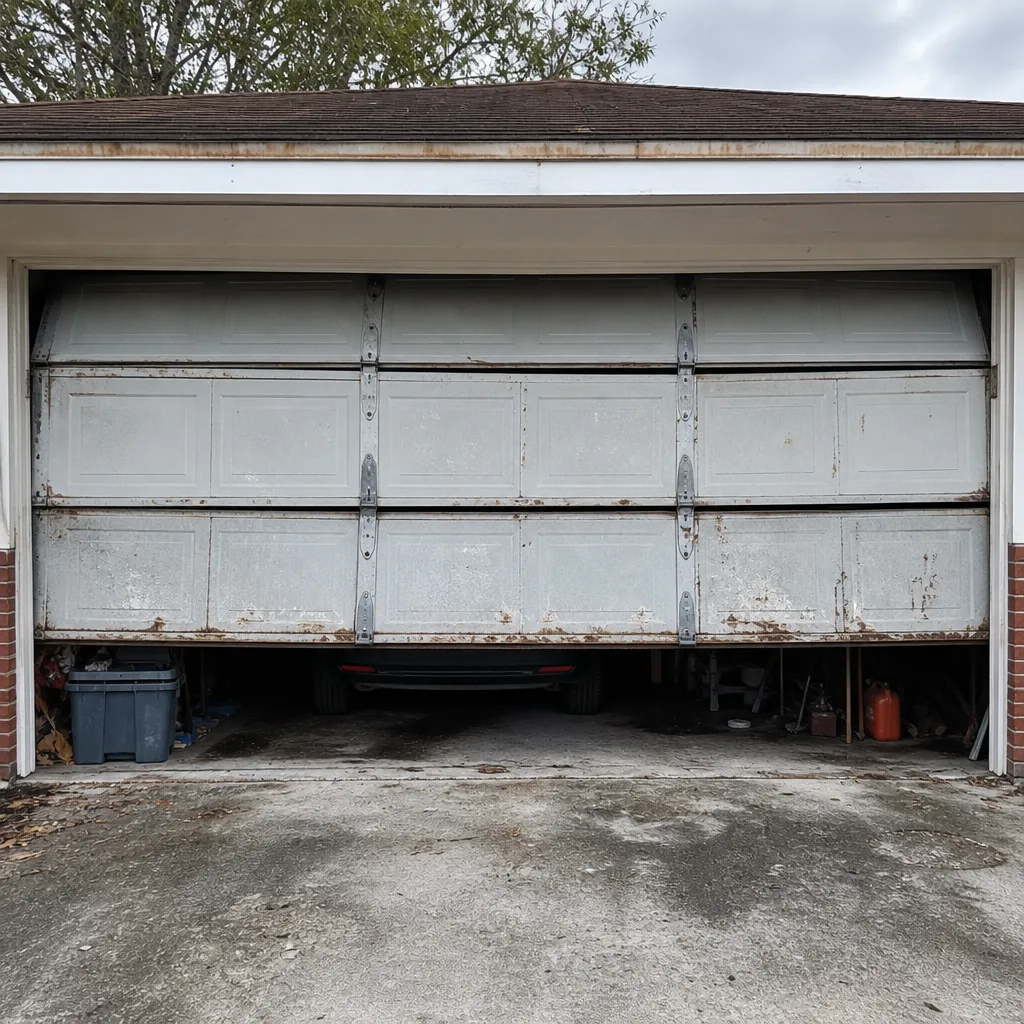 Before
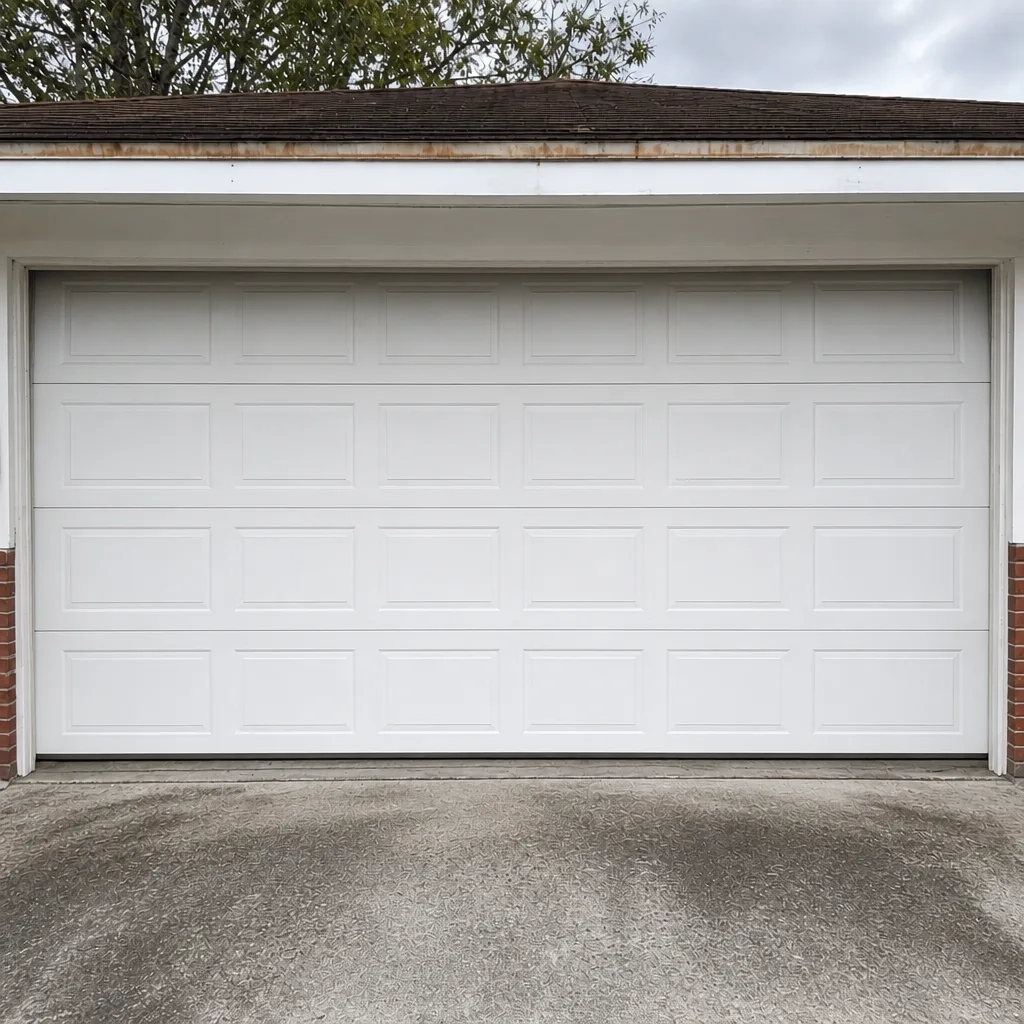 After
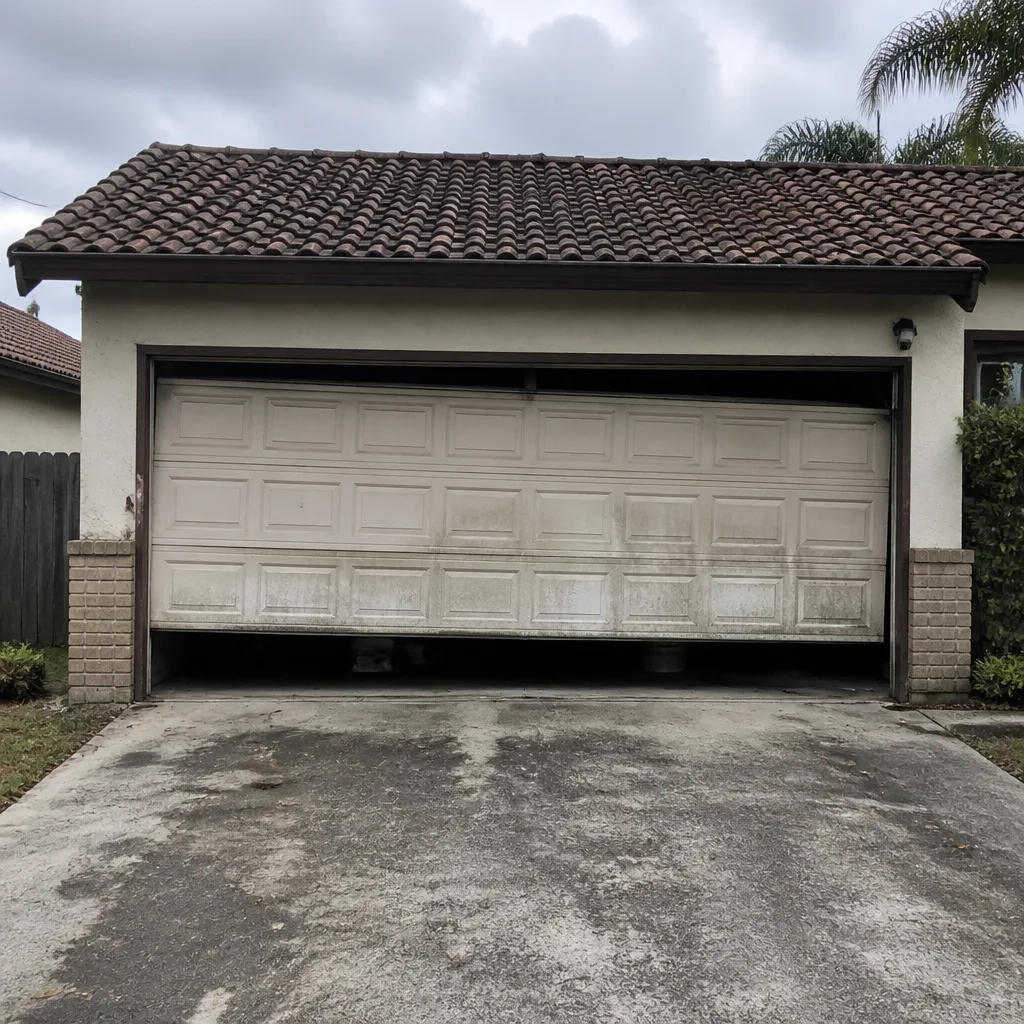 Before
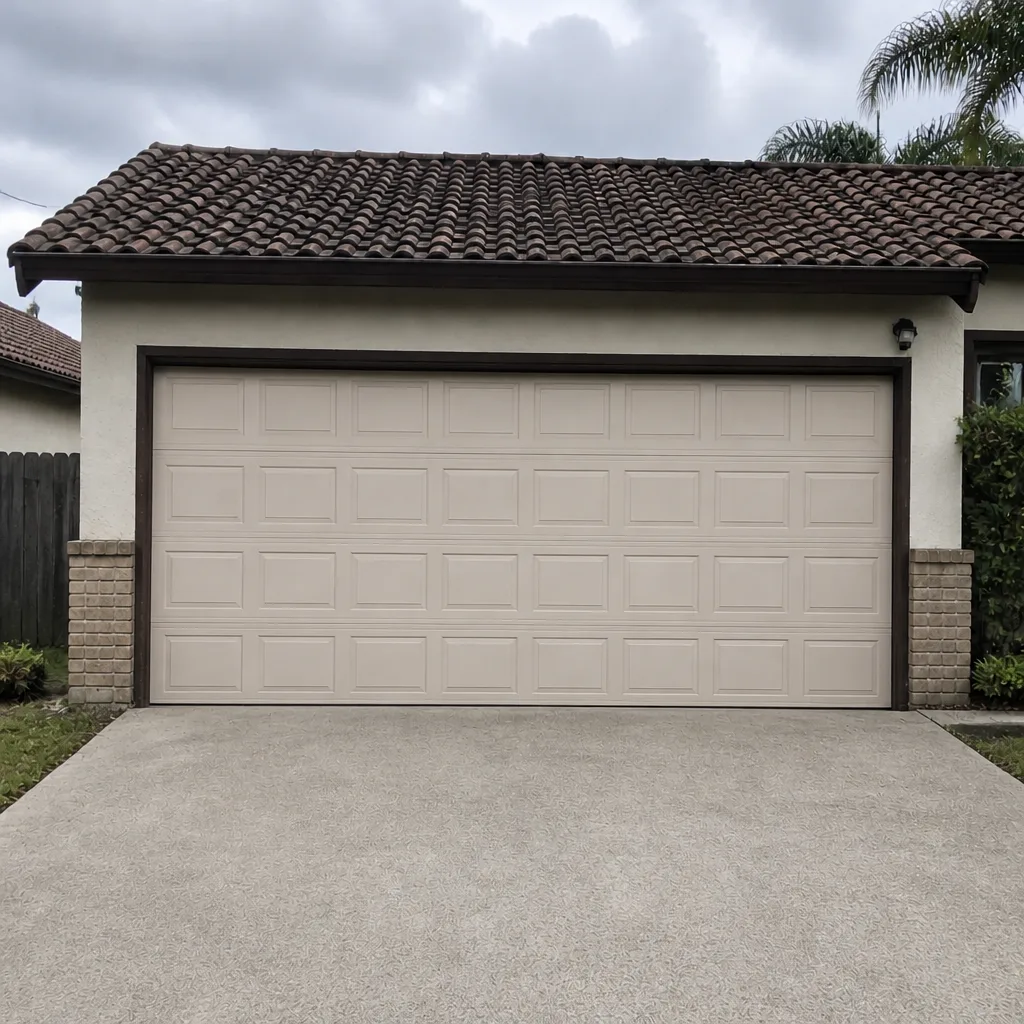 After
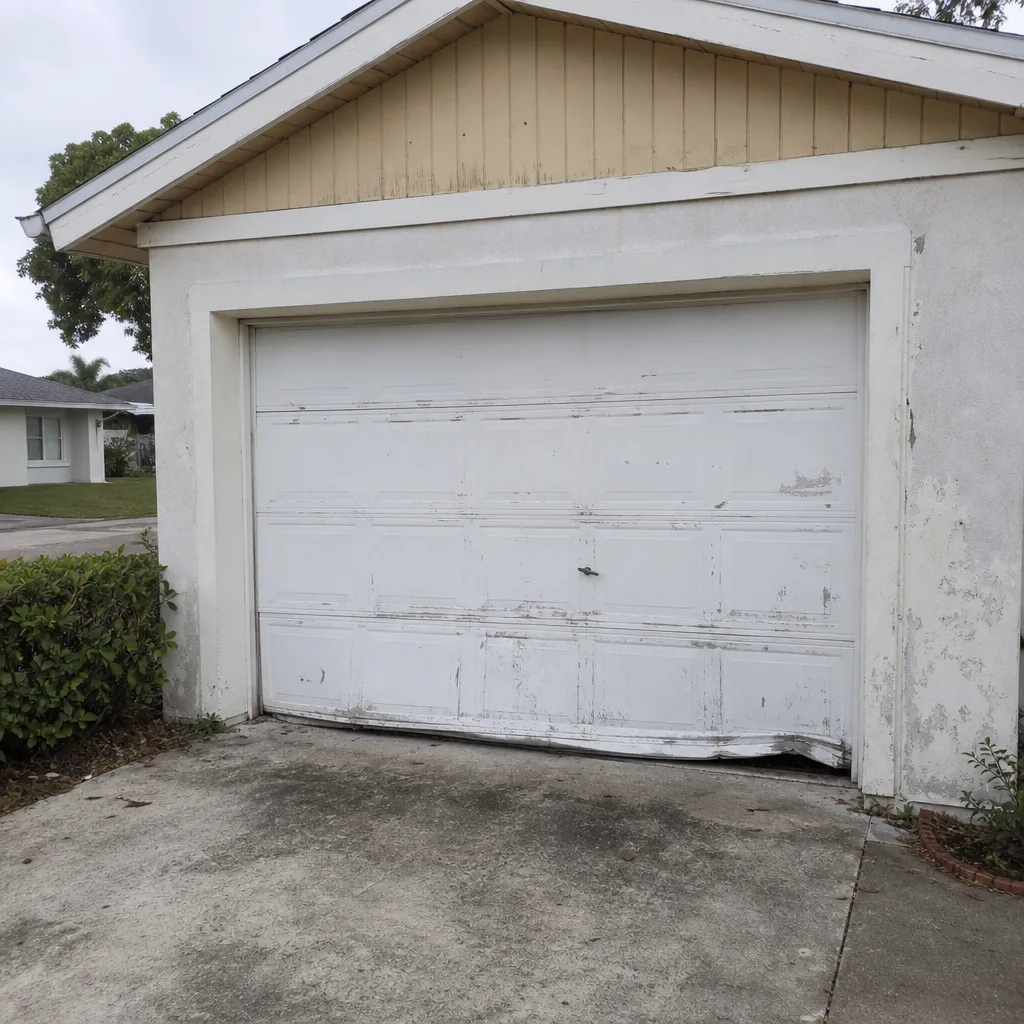 Before
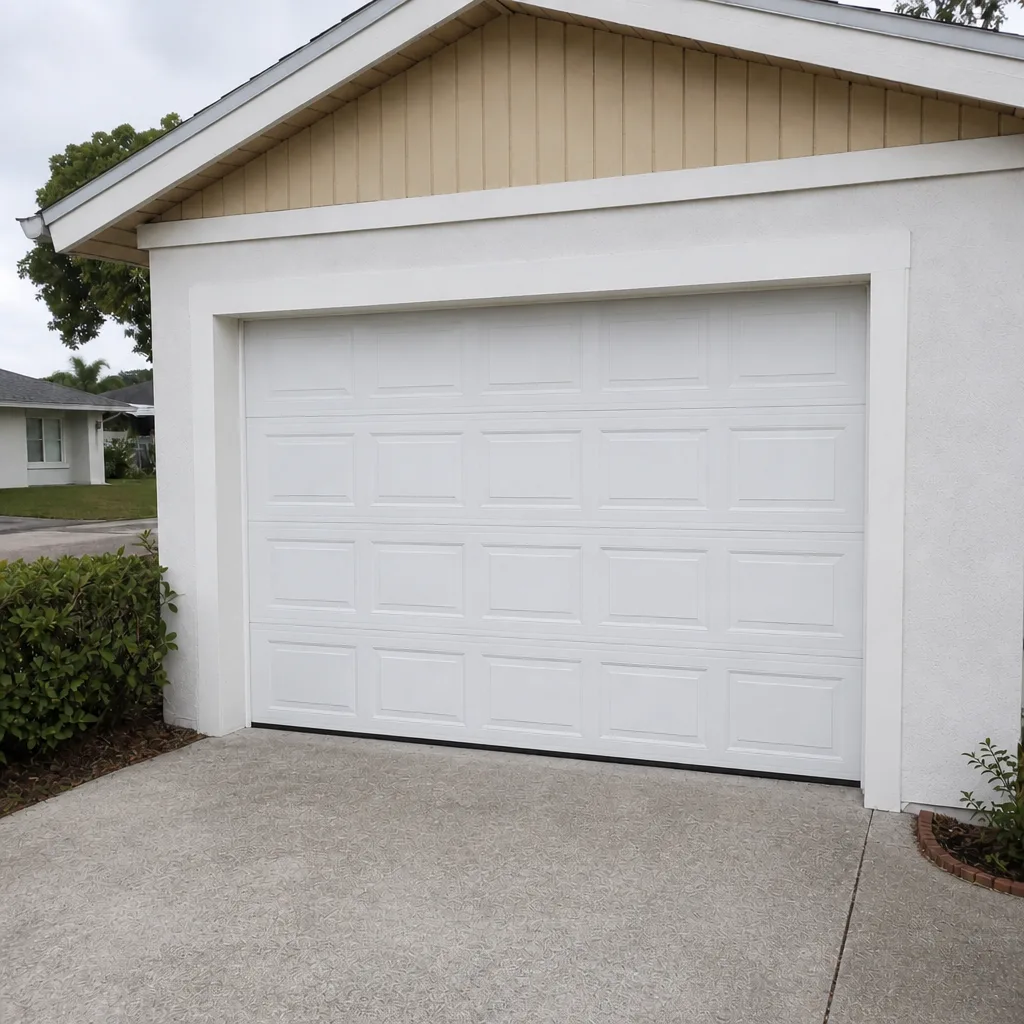 After
When to Call a Professional
Call a technician when your monthly inspection turns up a broken or rusted spring, a worn or frayed cable, a door that’s off-track or binding, a damaged panel, or an opener that doesn’t reverse on the safety test. Those are all safety-critical. Call also if your door is out of balance (it drops when you release the opener halfway), or if you’re planning a new door and want to know what wind rating and hardware your home actually needs. Pembroke Pines Garage Door Repair Co offers free estimates in Pembroke Pines – call (855) 529-2078. We’ll walk you through what we find, quote the work before anything starts, and stay with the job until the door runs the way it should. If you’re not sure whether a maintenance item is a call or a wait, we’re happy to answer on the phone.
Frequently Asked Questions
Do a monthly visual inspection, lubricate twice a year in the spring and fall, and do pre-storm and post-storm checks during hurricane season from June through November. The monthly checks catch humidity-related issues early, and the pre-storm checks confirm the door is holding its rated load before any named system. Call (855) 529-2078 for a free estimate if you’d rather have a professional handle the full maintenance review.
Use a silicone-based or white lithium grease on rollers and hinges, and a spring-specific spray lubricant on the torsion springs. Never use WD-40; it’s a solvent that evaporates and leaves hardware drier. Keep the tracks clean and dry. If you’re not sure what’s safe on your specific spring or opener, call (855) 529-2078 and we’ll tell you what to use for your model.
Test the balance with the opener released, check the bottom seal for gaps, tighten any loose track anchor, and confirm the wind-load label is legible. If the door drops when you release the opener or the tracks are loose, it isn’t ready. Pembroke Pines Garage Door Repair Co can inspect and confirm your door is ready; call (855) 529-2078 for a free estimate.
No. Garage door springs are under extreme tension and can cause serious injury if handled incorrectly. This is true for torsion springs above the door and for extension springs on the sides. Leave springs and cables to a trained technician. If a spring is broken or rusted, call (855) 529-2078 and we’ll inspect it and quote repair before any work starts.
Humidity. Wood absorbs moisture at end grain and joints, and South Florida’s wet season puts a lot of water in the air. The bottom rail and bottom section joints are usually first. Refinish before the wet season and check for soft spots monthly. If swelling has already moved the panels, call (855) 529-2078 so we can look at whether refinishing or a panel replacement is the right fix.
Yes. Photograph the rating label while it’s legible, keep the photo with your home records, and note the door’s condition. If an insurer ever asks for documentation, that record shows the door was installed and maintained to its rated specification. If your hardware has been replaced with generic parts, the rating may not be valid; call (855) 529-2078 for a free estimate on a full inspection.
The Bottom Line
A garage door checklist built for cold weather misses the three things that actually wear out doors in Pembroke Pines: humidity-driven water intrusion and wood swelling, the slow oxidation that comes with heat and moisture, and the pressure of storm season. The work that pays off here is simple and monthly: a visual inspection that catches rust and water early, the right lubricant instead of the easy one, a pre-storm and post-storm check mapped to Broward County’s hurricane season, and a clear line between what you can safely check yourself and what needs a technician. Keep the safety items – springs, cables, opener reverse – in professional hands, and document your door’s rated condition for insurance purposes. If anything on this guide turns up a problem you’re not sure about, call (855) 529-2078 for a free estimate. We work on the brand you already own, from Pembroke Pines Garage Door Repair Co to your own driveway, and we’ll quote the work before anything starts.
Written by the team at Pembroke Pines Garage Door Repair Co.