Last updated November 22, 2026
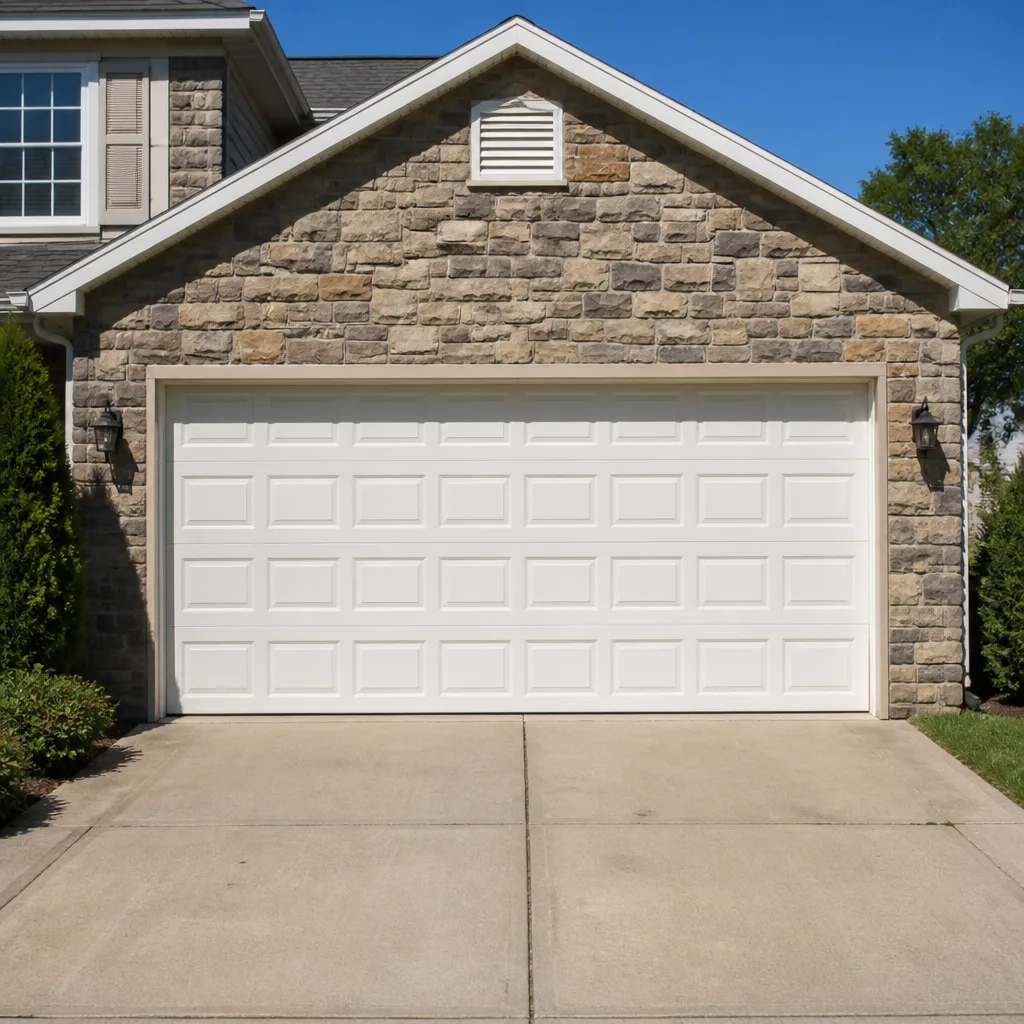 Raised-panel steel
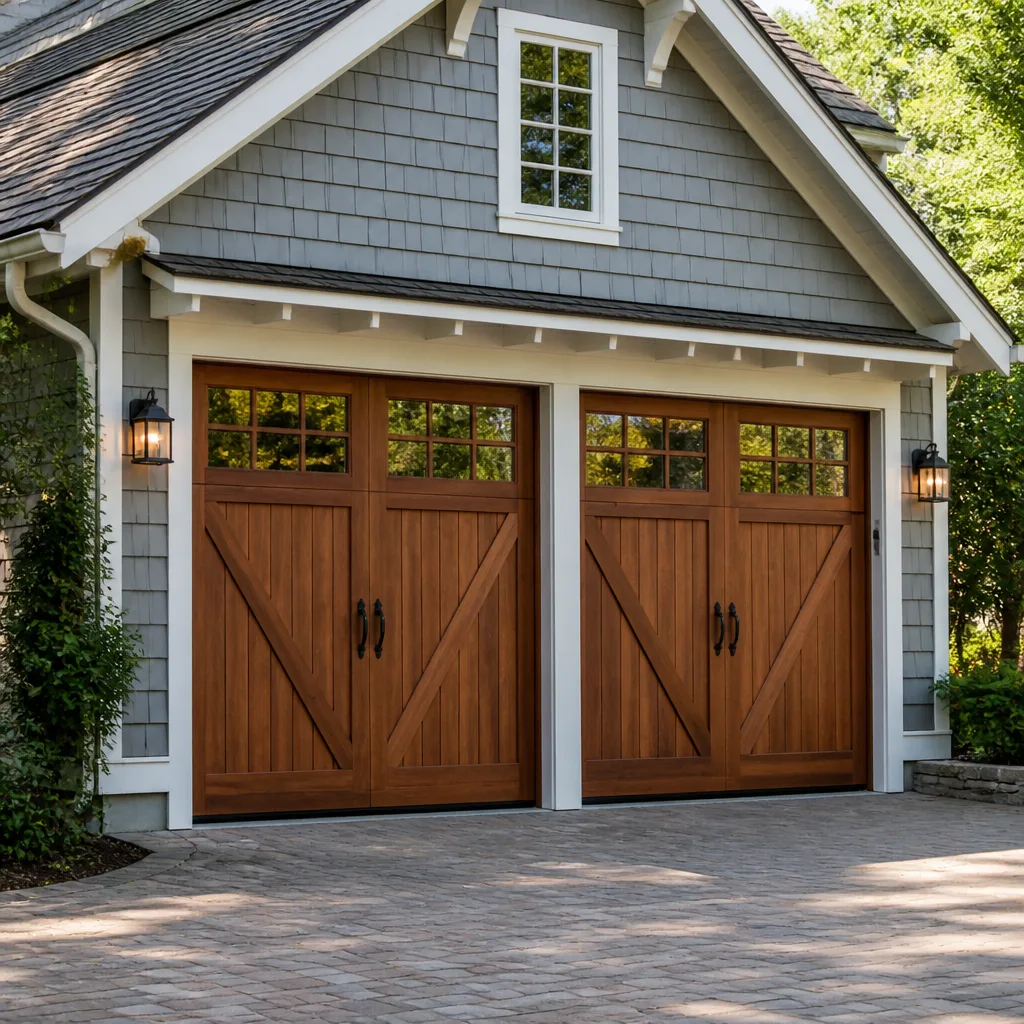 Carriage house
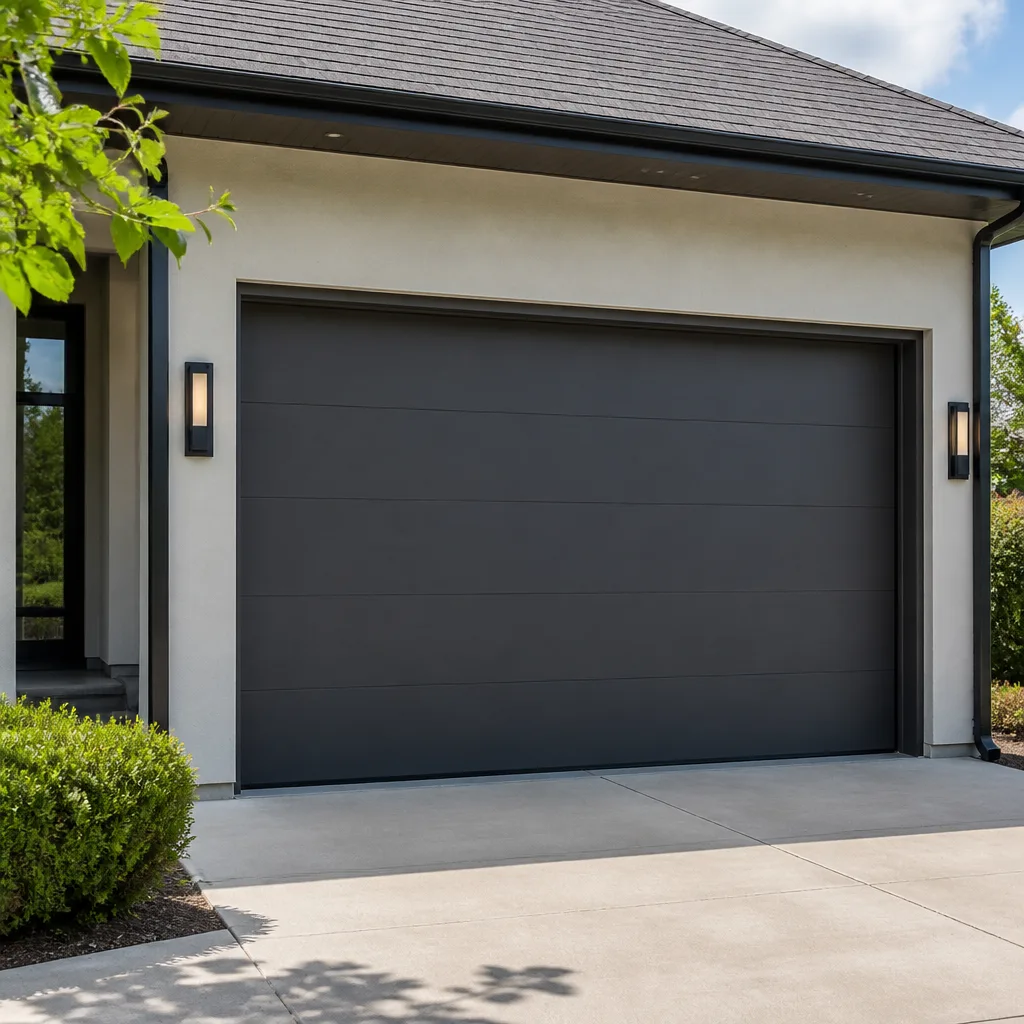 Modern flush
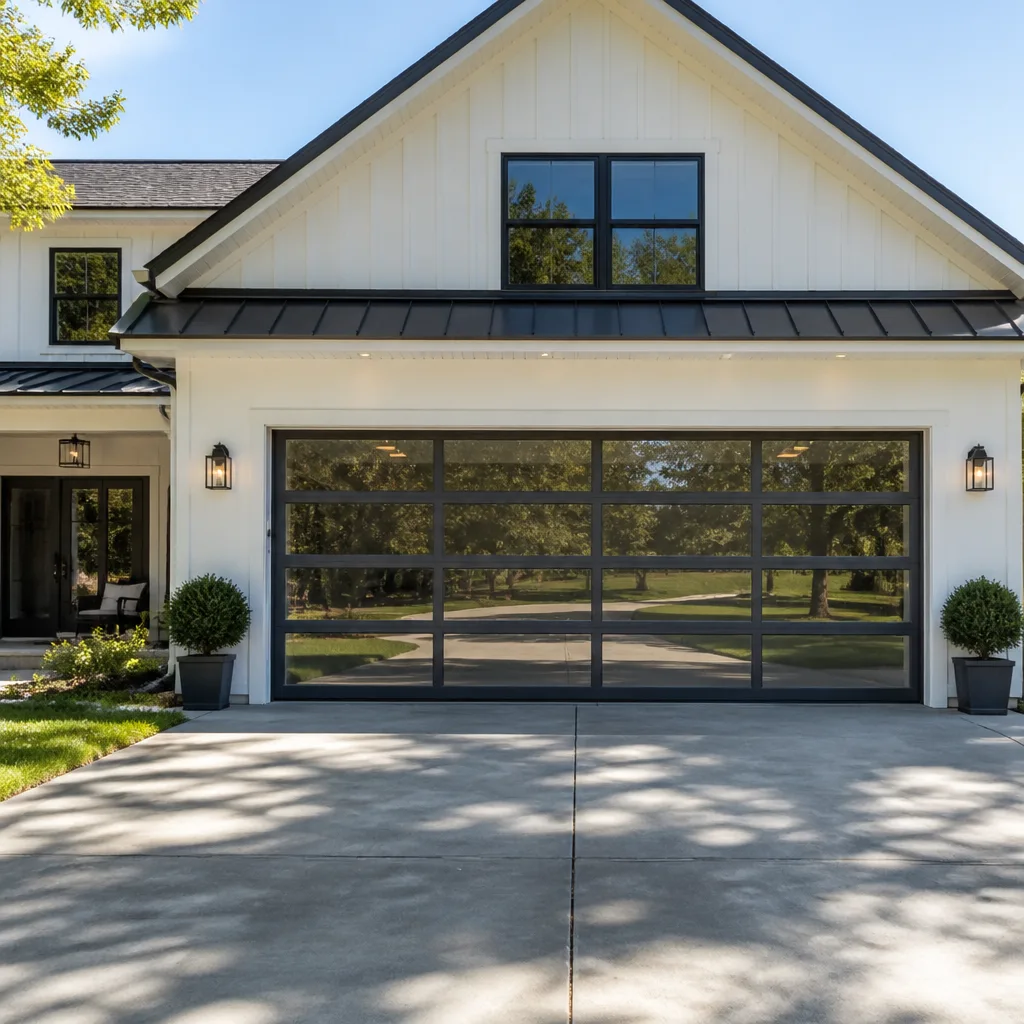 Full-view glass
 LiftMaster openers
 Chamberlain openers
Full 25-point door and opener safety check with every visit - springs, cables, rollers, tracks, and your LiftMaster or Chamberlain opener included
You get a price before we start. It does not change when the pro arrives.
Get your free estimateGarage Door Permits, Codes & Inspections in Pembroke Pines, FL: What You Need to Know
Most homeowners treat a garage door permit as paperwork to dodge. That instinct is backwards. In Pembroke Pines, the permit and the inspection it triggers are the only durable proof that your new door was installed to the wind-load standard your policy assumes, and that proof is exactly what a claims adjuster asks for after a storm. A door swapped out without one leaves a gap in your records that can surface years later, at the worst possible moment. This guide walks through which garage door projects in Pembroke Pines need a permit, how the Broward County product approval process works, how to verify the door you’re buying, what the inspector actually checks, and what happens at resale if the paperwork is missing.
Quick Answer
In Pembroke Pines, a full garage door replacement almost always requires a building permit, while a like-for-like swap of the same model, size and rating can sometimes qualify as an exempt replacement; the only way to know is to confirm with the city’s building department before you sign. The permit matters because the final inspection is what documents that your door meets Florida wind-load and product-approval requirements. Pulling it through a licensed contractor keeps the responsibility where it belongs and protects you if anything goes wrong.
Styles & brands we work with
- Raised-panel steel
- Carriage house
- Modern flush
- Full-view glass
- LiftMaster openers
- Chamberlain openers
Table of Contents
- Which garage door projects need a permit in Pembroke Pines?
- How the Broward County wind-load product approval process works
- How to verify your door carries a valid Florida Product Approval number
- Pulling the permit yourself vs. having your contractor pull it
- The inspection sequence: what a Pembroke Pines building inspector checks
- What happens at resale if the permit is missing
- Repair vs. replacement: how the line gets drawn
- Common mistakes to avoid
Which garage door projects need a permit in Pembroke Pines?
The short answer: replacing the door itself usually needs a permit, and repairing components on an existing, permitted door usually doesn’t. The line between the two is where most homeowners get confused, so it’s worth slowing down here.
Projects that typically require a permit in Pembroke Pines include:
- Replacing the entire garage door with a different model, size, material or wind-load rating.
- Changing the door’s opening dimensions, which means altering the header or framing.
- Installing a door on a new opening or converting a carport to an enclosed garage.
- Adding a door where none existed, such as enclosing a covered area.
- Swapping a non-impact door for an impact-rated door where the structural attachment changes.
Projects that are commonly treated as repairs and generally don’t trigger a new permit:
- Replacing broken torsion or extension springs on an existing, permitted door.
- Replacing rollers, hinges, cables, drums or the bottom seal.
- Repairing or replacing the opener head, rail or safety sensors.
- Replacing a single panel with an identical panel from the same manufacturer.
The tricky category is the like-for-like replacement: same model, same size, same wind-load rating, same manufacturer. Some jurisdictions treat that as an exempt replacement because nothing about the building’s wind-load profile changes. Others still want a permit so the inspection record stays current. In our experience, it depends on how the application is written and what the plans examiner sees. Confirm with the City of Pembroke Pines building department before you order the door. That call takes five minutes and saves weeks.
If you’re not sure which category your project falls into, a quick conversation with a specialist helps. You can read more about our garage door installation process to see how we approach the design and permitting side before we ever pick up a tool.
How the Broward County wind-load product approval process works
Broward County sits in the state’s High Velocity Hurricane Zone, which is the strictest wind-load region in Florida. That single fact drives nearly every garage door requirement you’ll encounter in Pembroke Pines. Doors installed here have to be tested and approved for the wind pressures the code assigns to the building’s location, exposure category and height, not simply “impact rated” in a marketing brochure sense.
The approval process works like this:
- Manufacturer tests the product. The door system (panels, tracks, reinforcement, hardware) is tested to a specific design pressure. The result becomes a Florida Product Approval.
- Manufacturer publishes installation instructions. These describe exactly how the approved door must be anchored, reinforced and assembled to achieve the tested rating.
- The designer or contractor selects a door. They choose a model whose approval number covers the pressure your building actually sees, which in Pembroke Pines is often higher than homeowners expect.
- The permit application includes the approval. The product approval number and installation drawings go into the submittal. The plans examiner checks that the door’s rating meets or exceeds the required pressure for the opening.
- The installation follows the tested method. Deviating from the manufacturer’s anchor pattern or reinforcement invalidates the approval, even if the door itself is the right model.
This is why brand-specific knowledge matters. A Clopay door and an Amarr door with similar looks can have very different approval numbers and very different installation requirements. The right part for your specific model is what the inspector is checking for, and it’s why a generic replacement can fail the inspection even when the door physically fits. If the door’s approval doesn’t cover your building’s required pressure, the job has to be redone.
How to verify your door carries a valid Florida Product Approval number
Any legitimate garage door being installed in Pembroke Pines should carry a Florida Product Approval number, often written as “FL” followed by a number, and printed on the label attached to the door or in the manufacturer’s literature. If a seller can’t produce one, stop the conversation right there.
To verify it, work through these steps:
- Ask the seller for the product approval number and the model designation in writing.
- Look up the number through the Florida Building Commission’s product approval database, which is publicly searchable.
- Confirm the approval covers the design pressure required for your specific building, not just a generic rating.
- Check that the listed installation method matches the plan for your Pembroke Pines home, especially the anchor spacing and reinforcement.
- Save a copy of the approval page with your closing documents. It’s the paper trail you’ll want when the adjuster or a future buyer asks.
We run this check on every replacement we quote, because the alternative is discovering a mismatch after the door is on the wall. If you’re already working with a garage door repair contractor and simply want the door documented, the same verification applies. The number doesn’t care who installed the door; it only cares that the door was built and mounted to code.
Pulling the permit yourself vs. having your contractor pull it
You are legally allowed to pull a permit as the homeowner in Florida, and for some minor projects it’s practical. For a garage door replacement in Pembroke Pines, it usually creates more problems than it solves, and the reason is liability.
When the homeowner pulls the permit, the homeowner is the responsible party for the work described on it. That means the homeowner signs the application, tracks the inspection schedule, and bears the consequences if the work doesn’t pass. If the installing crew leaves a detail out of the tested assembly and the inspector flags it, the corrections are yours to coordinate.
When the contractor pulls the permit, the licensed professional is the permit holder. The contractor is responsible for the scope, the submittal, the inspection scheduling and the corrections. If a final inspection fails, the contractor is the one on record having to fix it. That single structural difference is why we recommend letting the licensed installer pull the permit every time. You still own the property; you simply aren’t the one carrying the compliance burden.
Whichever route you take, ask two questions before the crew shows up: Who is named as the permit holder? And who schedules the final inspection? If the answers are inconsistent between the contract and the permit application, sort it out before the work begins.
The inspection sequence: what a Pembroke Pines building inspector checks
A garage door final inspection is usually a short visit, but the inspector is looking at specific things. Knowing what those things are makes the process feel less mysterious, and it helps you spot whether your installer did the job properly.
In our experience, the inspector typically checks:
- Approval match. That the door installed matches the model and product approval number listed on the permit.
- Anchoring. That the door is fastened to the framing using the anchor pattern the manufacturer’s approval requires, not a lighter or heavier pattern.
- Reinforcement. That any required struts, jamb brackets or backer members are in place as specified.
- Track and hardware. That the tracks and hinge placement match the approved assembly, since these affect how the door load transfers to the framing.
- Opening dimensions. That the opening matches what was approved.
- Clearances. That required clearance on each side of the door exists and isn’t obstructed.
- Labels. That the manufacturer’s label showing product approval is present and legible on the door or the literature folder.
What the inspector is not checking: whether the door is pretty, whether the opener works, or whether the springs are tensioned correctly. Those are quality concerns, not code concerns. An inspection passing does not mean the job is complete; it means the code-relevant parts passed. If something else fails after the inspection, a garage door opener repair visit is often a separate, simpler conversation.
We bring the approval paperwork and the manufacturer’s installation instructions to every inspection we coordinate, because a missing document is the most common cause of a reinspection in Pembroke Pines.
What happens at resale if the permit is missing
Florida real estate law requires sellers to disclose known conditions that materially affect the value of the property, and an unpermitted garage door replacement is one of those disclosures in the making. When a buyer’s inspector finds a door that doesn’t match any permit record, the transaction slows down and the seller ends up dealing with it under pressure.
The common outcomes, in practice:
- Disclosure. The seller discloses the unpermitted work on the property condition form, which alerts the buyer before closing.
- Buyer’s inspection. The buyer’s inspector notes the missing permit and recommends a professional assessment of the door and its attachment.
- Delayed closing. The parties scramble to pull an after-the-fact permit and schedule an inspection, which extends the timeline.
- Price or repair credits. The buyer’s agent uses the gap as leverage to renegotiate.
- Financial exposure. Some lenders and insurers ask for documentation of major system replacements as part of their file review, and a missing record complicates that review.
The point isn’t that every incident ends badly. It’s that the paperwork is cheap now and expensive later. In Pembroke Pines, where homes routinely change hands at significant values, a missing permit for a system tied to wind-load code is an avoidable wrinkle. If you’ve inherited a home with an unpermitted door, you can still resolve it after the fact; the after-the-fact permit path is slower and involves more documentation, but it closes the file. Start with the City of Pembroke Pines building department and be honest about what’s on the property.
Repair vs. replacement: how the line gets drawn
Springs, cables, rollers and openers are repair work. Replacing the door panel assembly, the tracks or the door as a unit is replacement work. The distinction matters because it determines whether the permit at issue is a repair record or a replacement approval.
When your springs fail, the door needs a garage door repair visit, not a new door. Torsion springs are among the highest-tension components in the home, and they’re the part most often mishandled by general handymen. A proper repair involves matching the spring to the door’s weight and cycle rating, verifying the drum and cable condition, and confirming the balance afterward. None of that is a permitted construction activity because it doesn’t change the door’s wind-load profile. What it changes is whether the door is safe to open. That’s a professional job every time.
A full replacement, by contrast, alters the wind-load profile of the building because the door and its attachment change. Even a same-model swap involves new anchors, new reinforcement in some cases, and a new product approval relationship to the building. That’s why the permit question is tighter here and why we recommend calling the building department either way before ordering.
If you want to read more about the way we think about the whole door system, from the panel to the opener, our Pembroke Pines Garage Door Repair Co page describes the range of work we handle.
Common Mistakes to Avoid
- Assuming a same-size door is exempt. Size is only one variable. Wind-load rating, model and attachment method also matter, and the city’s decision depends on all of them. Confirm in writing with the building department before the door ships.
- Skipping the product approval check. A door that fits the opening but lacks a valid Florida Product Approval is a failed inspection waiting to happen. Verify the number before you pay the deposit.
- Letting the installer deviate from the tested anchor pattern. Even with the right door, a heavier or lighter anchor pattern than the approval calls for can invalidate the installation. The inspector will notice, because the plans examiner already noted it.
- Pulling the permit as the homeowner when a contractor is available. You can do it, but the responsibility shifts to you. Most homeowners in Pembroke Pines are better served by having the licensed installer hold the permit.
- Not keeping the approval paperwork. The product approval page, the inspection record and the permit number should all go in the same folder with your closing documents. Adjusters and future buyers will ask for them.
- Treating the final inspection as automatic. A final inspection can fail for a missing label just as easily as for a structural issue. Someone needs to walk the job with a checklist before the inspector arrives.
- Waiting until resale to deal with it. An unpermitted door is a solvable problem, but solving it during a pending transaction is more stressful and slower than addressing it when you notice it.
See the difference
 Before
 After
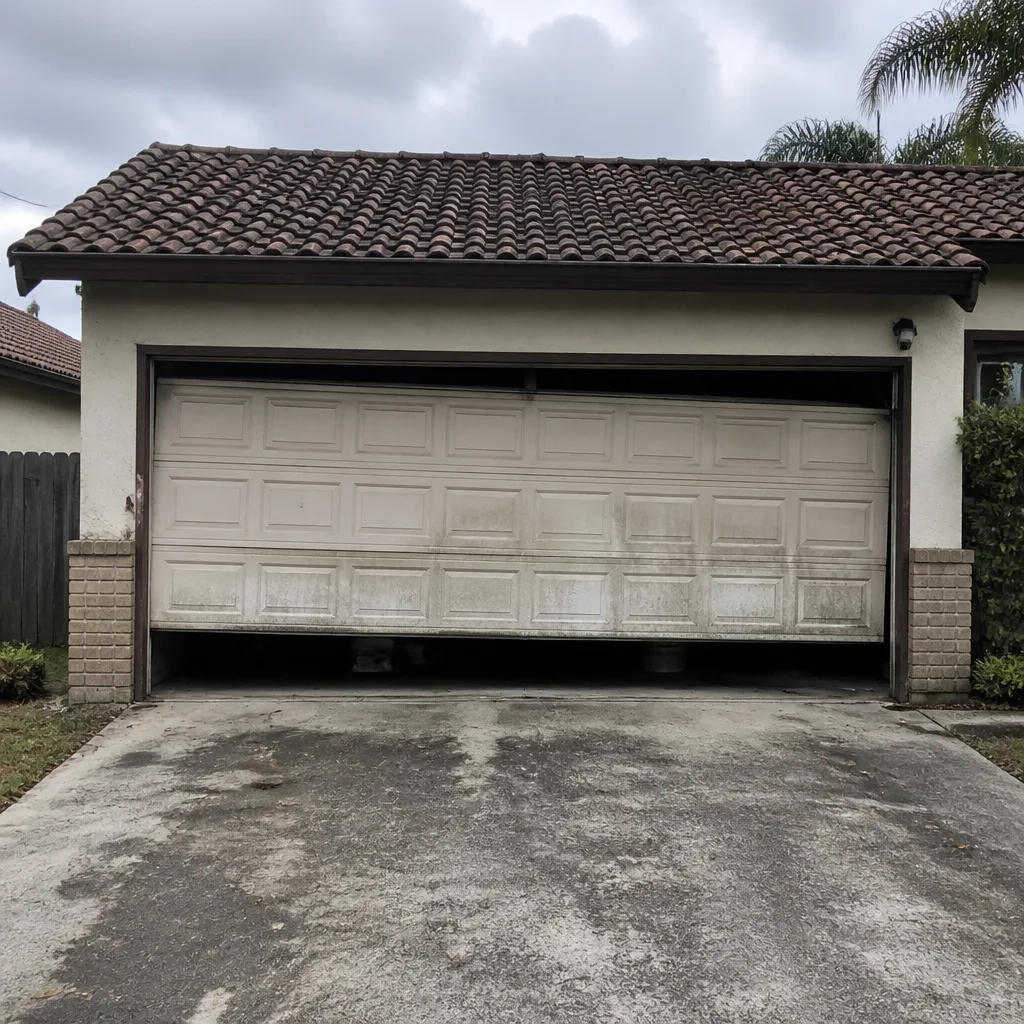 Before
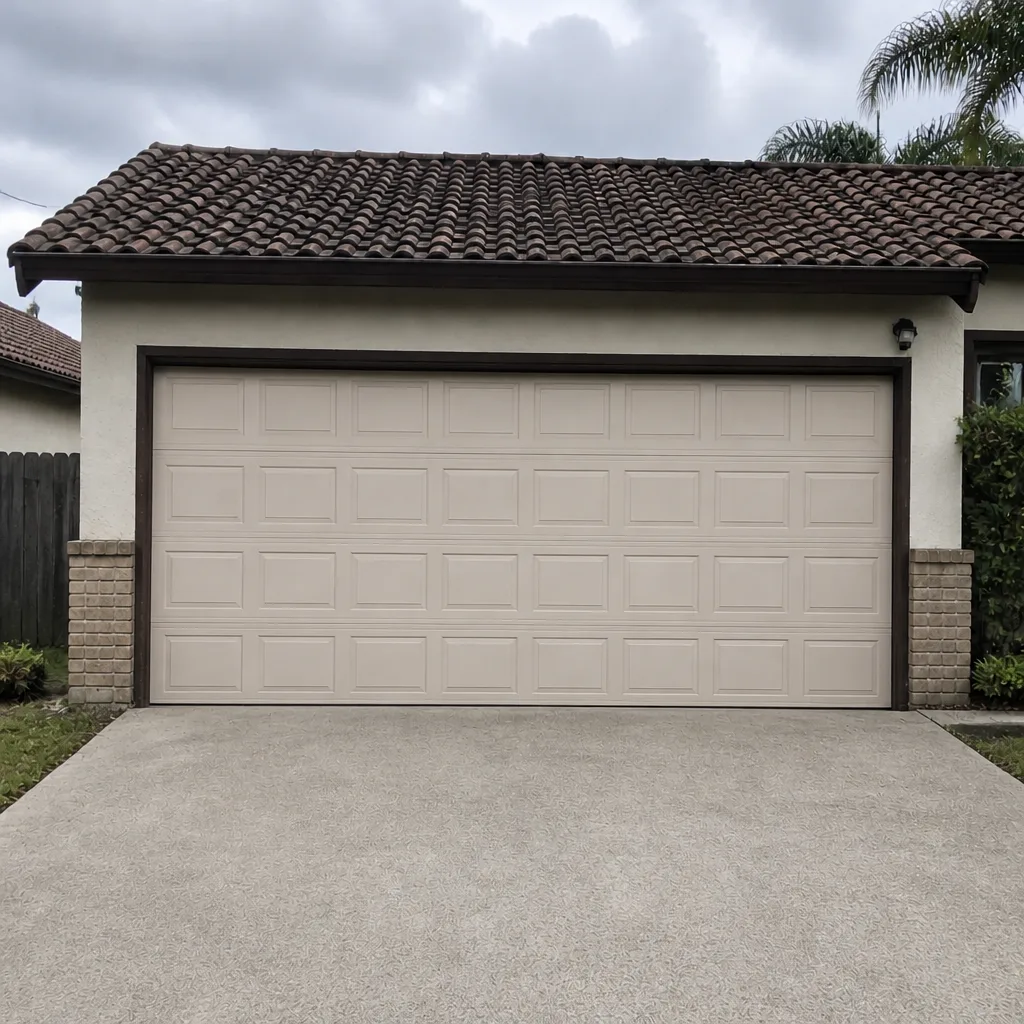 After
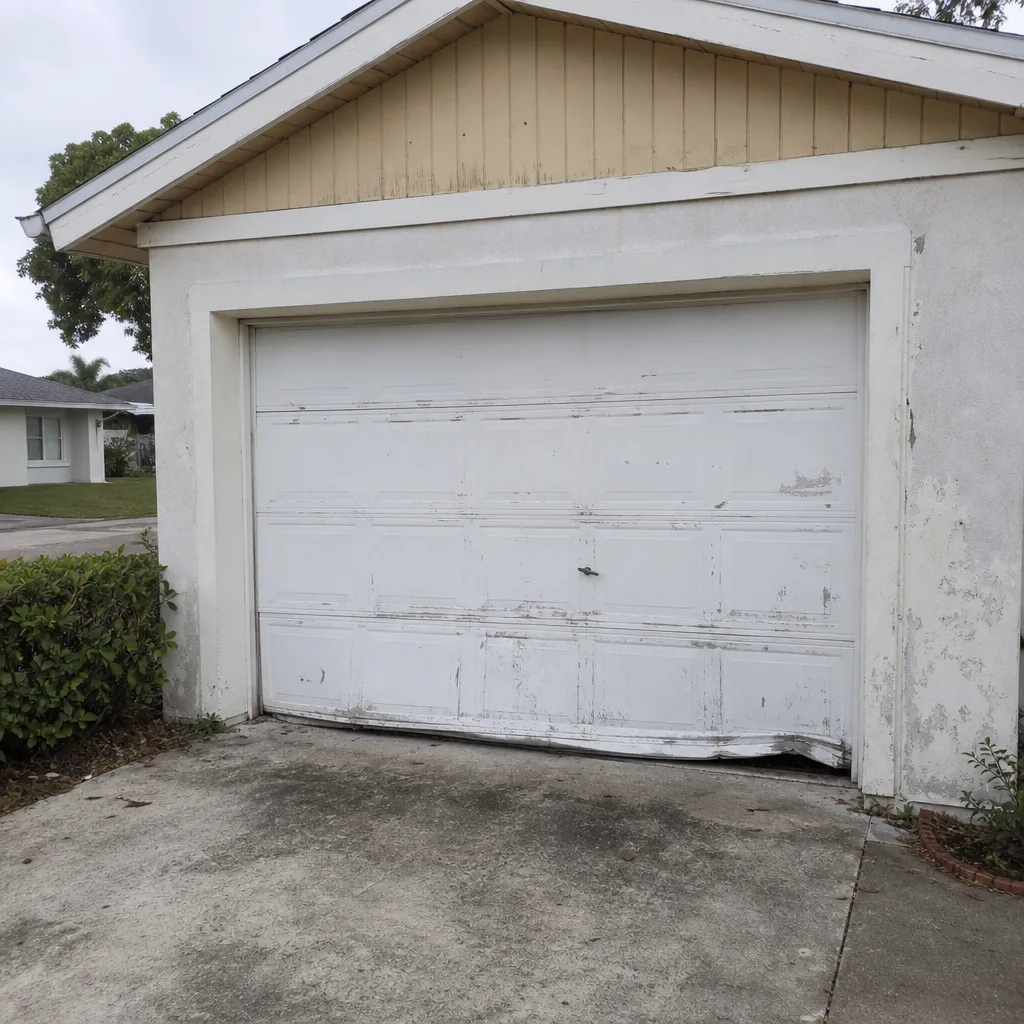 Before
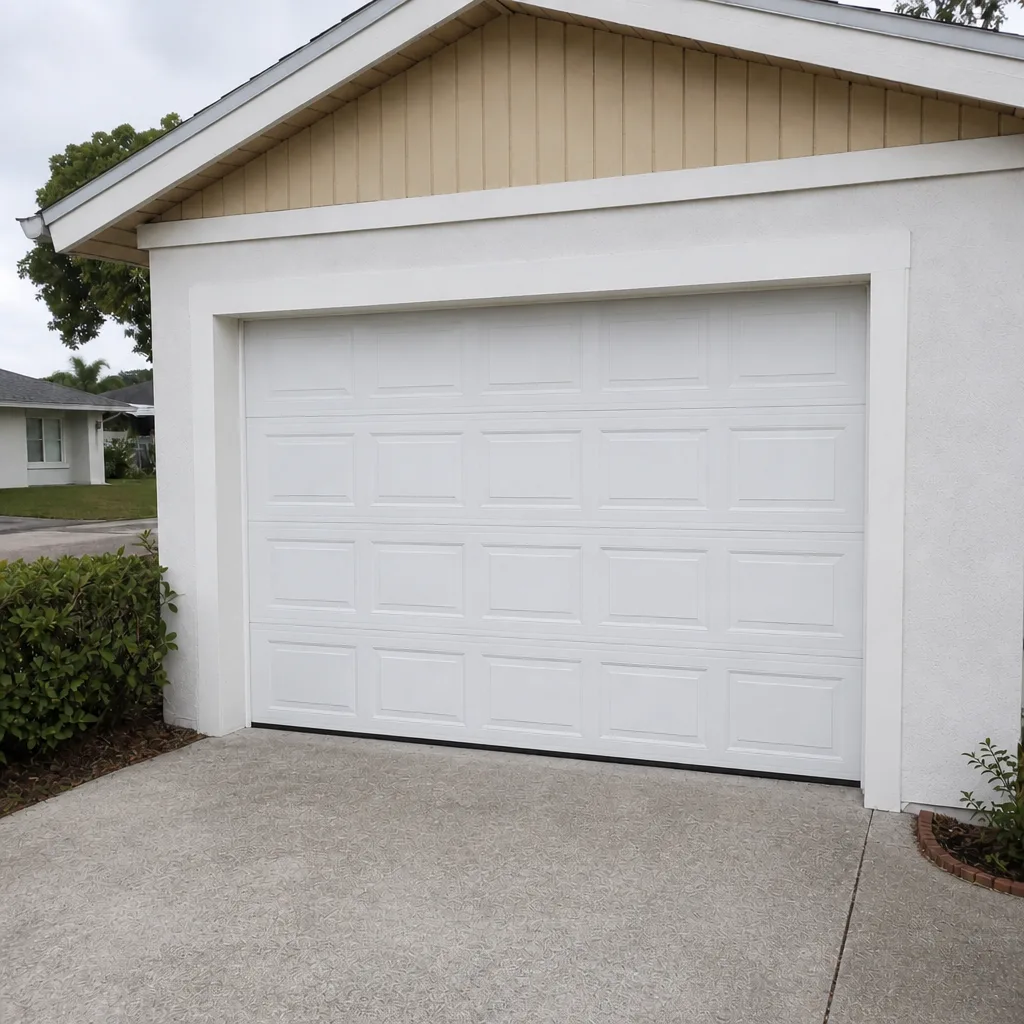 After
When to Call a Professional
Call a professional when the question is about the door itself rather than the paperwork. A failing spring, a door that has jumped the track, an opener that won’t lift the door, a door that no longer closes flush with the opening, or a hesitation to fully latch after a storm: these are the signals that the door needs eyes on it before a small issue becomes a bigger one. Permits protect the record of the installation. They don’t repair anything. And spring work in particular is not a homeowner task; the tension involved is high enough that a slip can cause serious injury, which is why we always recommend handing that work to someone who does it regularly.
Pembroke Pines Garage Door Repair Co offers free estimates in Pembroke Pines – call (855) 529-2078. We work on the brand you already own, including Chamberlain, Genie, Clopay, Amarr and others, and our technicians have up to 11 years of experience. There’s an emergency service available for time-sensitive failures, and the local pro is licensed and insured as their state requires.
Frequently Asked Questions
Usually yes, especially if the new door is a different model, size or wind-load rating than the one being removed. A like-for-like replacement of the identical model sometimes qualifies as an exempt replacement, but the only reliable answer is to confirm with the City of Pembroke Pines building department before you order. Bring the product approval number and the door specifications to that conversation. Call (855) 529-2078 if you’d like help preparing the details for your submittal – estimates are free.
Permit fees are set by the city and vary by the project scope and valuation, so the number you pay depends on the door and the application. We don’t guess at city fees; we confirm them with the building department as part of the job. What we can tell you is that the fee is a small part of the overall cost compared to what an unpermitted replacement costs to fix later, particularly if the door fails inspection. Call (855) 529-2078 for a written estimate that clarifies the permit side – estimates are free.
The contractor should pull the permit on a project they’re installing, and it’s the safer choice for you. When the licensed installer holds the permit, they’re responsible for the submittal, the inspection scheduling and any corrections the inspector requires. If you pull it yourself, that responsibility moves to you. Ask directly who will be named as permit holder and who will schedule the final inspection before the work begins. Call (855) 529-2078 to talk through how we handle permits on installs in Pembroke Pines – estimates are free.
Typically the door’s product approval number, the anchoring pattern, any required reinforcement, the tracks and hardware placement, the opening dimensions, clearances and the manufacturer’s label. The inspector is confirming that the installed door matches the approved model and the approved installation method, not whether the door looks good or works smoothly. If you’ve had work done and aren’t sure the paperwork is complete, call (855) 529-2078 and we’ll help you sort out what’s on file – estimates are free.
You’d likely have to disclose the unpermitted work to a buyer, and the buyer’s inspection would flag it. That can delay closing, invite price negotiations or require an after-the-fact permit and inspection. In an area where wind-load compliance matters for insurance purposes, the missing record is the part buyers’ agents focus on. If you’d rather resolve it now, call (855) 529-2078 and we can walk through the after-the-fact permit path with you – estimates are free.
It can, because insurers review the wind-load compliance of major openings when pricing and renewing policies. A door installed with a valid Florida Product Approval and a completed final inspection gives you documentation that supports that conversation. We can work with your insurer to provide the paperwork they need. If you’re planning a replacement, call (855) 529-2078 for a free estimate that includes the approval and permit side of the project.
The Bottom Line
Garage door permits in Pembroke Pines aren’t bureaucracy for its own sake. They’re the record that your door was built, tested and installed to the wind-load standard the code requires, and that record matters to the adjuster, the buyer and the insurer when they look at your home. Confirm with the building department whether your project is a permit-required replacement or an exempt like-for-like swap. Verify the Florida Product Approval number before you buy. Let the licensed installer hold the permit so the responsibility sits where it belongs. Keep the paperwork with your closing documents. None of it is complicated, and all of it is cheaper than fixing a gap later. If you’d like a straight answer on your own project, call (855) 529-2078 for a free estimate.
Written by the team at Pembroke Pines Garage Door Repair Co.